 −68%
−68%Revopoint 3D Technologies
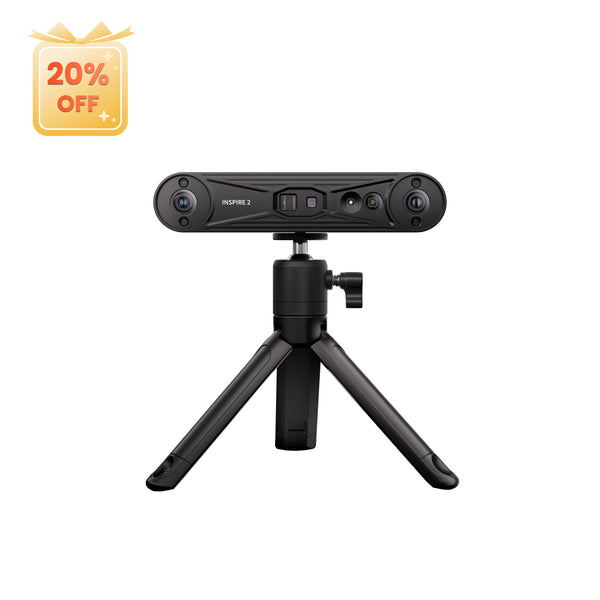
Revopoint Trackit: Optical Tracking 3D Scanner for Marker-free Scans
$3,486–$8,190$10,860
Shop at Revopoint 3D… →3D printer filament and handheld 3D scanners, with the tolerance, moisture and accuracy specs that decide print and scan quality.
−68%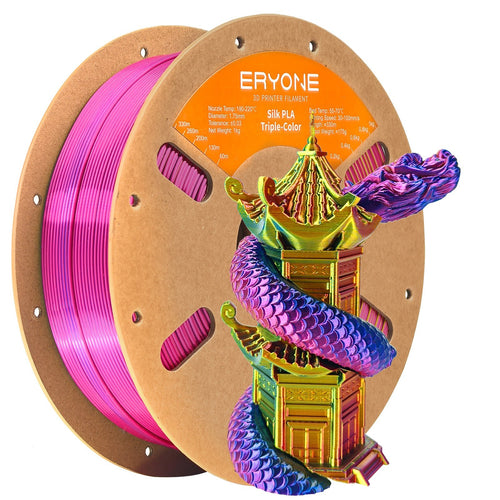
 −78%
−78%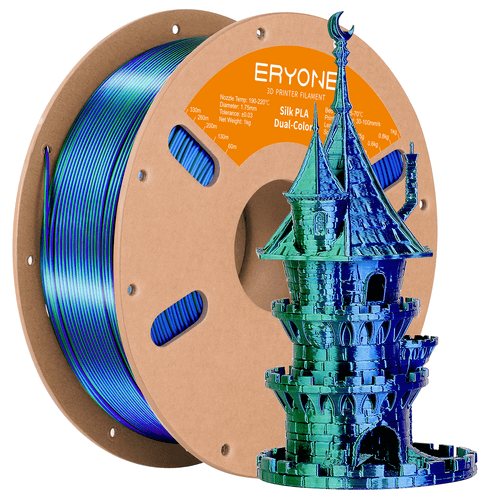
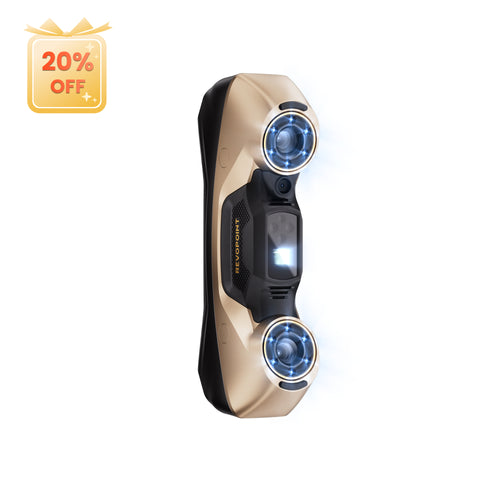 −78%
−78%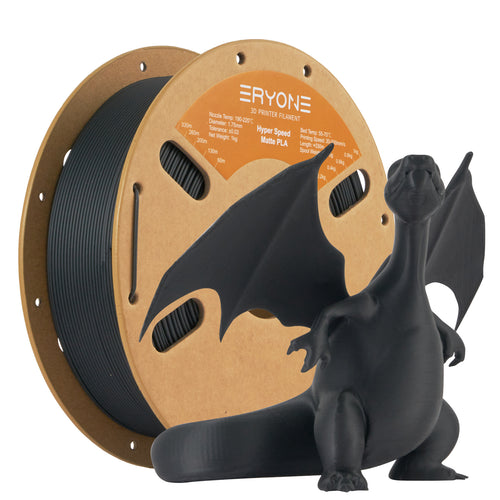
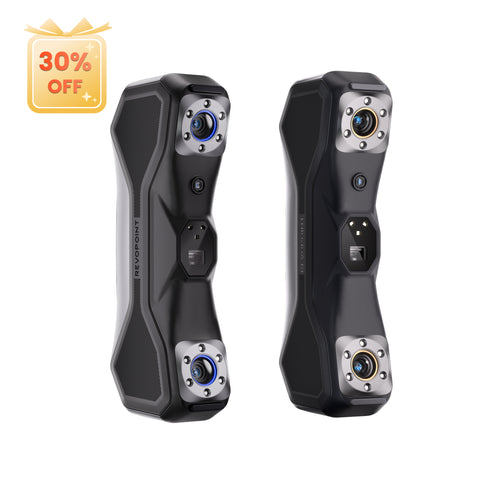 −64%
−64%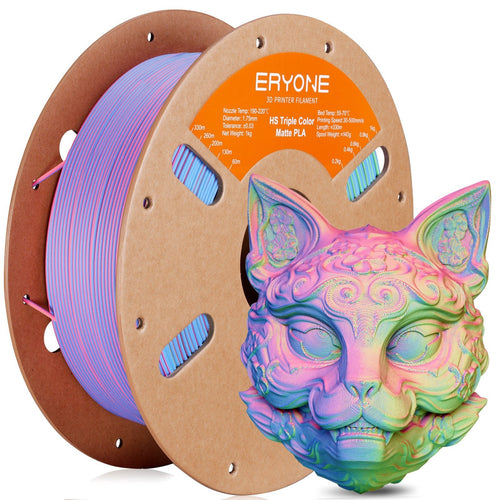
 −88%
−88%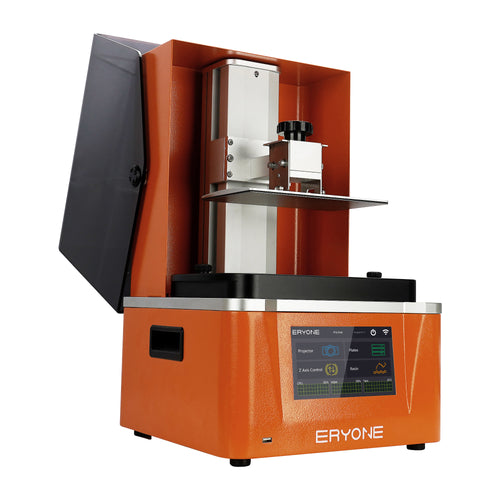
 −53%
−53%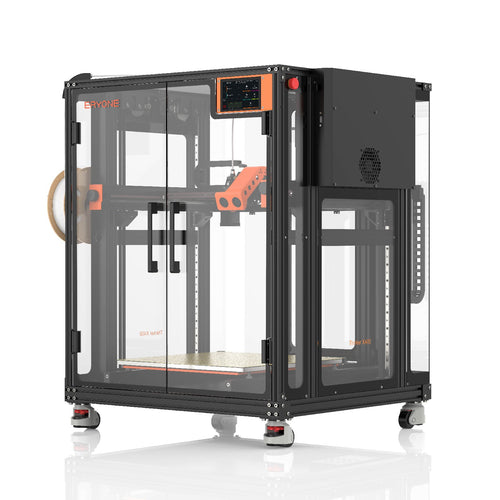 −20%
−20%
 −62%
−62% −88%
−88% −88%
−88% −85%−78%−78%
 −75%
−75% −71%−68%
 ★ Scouted pick
Handheld and wireless 3D scanners for 3D printing, reverse engineering, and inspection

Budget PLA, PETG, TPU, and specialty 3D printer filament plus Thinker X400 printer parts
3D printing has two consumables that matter: the plastic you feed the printer and, increasingly, the models you capture from real objects. On the filament side, diameter tolerance and moisture decide whether a spool prints cleanly or strings and clogs. On the scanning side, the scanner has to match the size and surface of what you are capturing, or you will spend more time cleaning meshes than printing.
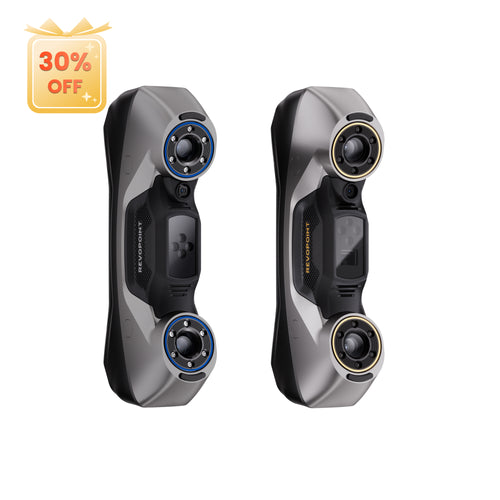
Revopoint 3D Technologies makes handheld and wireless 3D scanners, from small-part blue laser units to large-object systems, at prices well below traditional metrology brands, backed by a 2-year scanner warranty on its global store. Eryone sells budget PLA, PETG, TPU and specialty filaments, plus parts for its Thinker X400 printer.
One caution: Eryone's return and shipping terms were not readable when we checked, and Revopoint's global store sends US and Japan customers to separate regional stores.
Filament: tolerance, then material. Good 1.75mm filament holds a diameter tolerance of about plus or minus 0.02mm; wider variation causes under- and over-extrusion. PLA is the easiest to print and fine for display pieces and prototypes, but it softens around 55 to 60C, so it warps in a hot car. PETG is tougher and more heat tolerant but strings more. TPU is flexible and needs a direct-drive extruder for reliable results. Silk, matte and multicolor PLAs look great but are often slightly weaker than plain PLA.
Moisture is the hidden variable. Most filaments absorb water from the air, and wet filament pops, strings and prints brittle. Check that spools arrive vacuum-sealed with desiccant, store them in a dry box, and budget for a filament dryer if you print PETG or TPU often.
Spool compatibility. If you use an automatic material system, confirm spool width and whether cardboard spools need an adapter ring. Spool weight is usually 1kg; check before comparing per-spool prices, since some cheaper listings use 750g or 800g. Bundle pricing often requires buying several spools, so price per kilogram is the fair comparison.
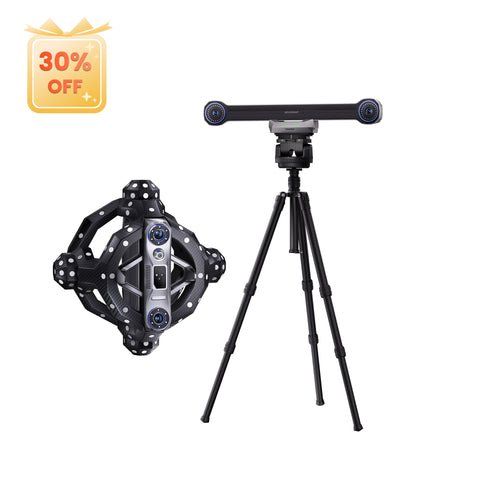
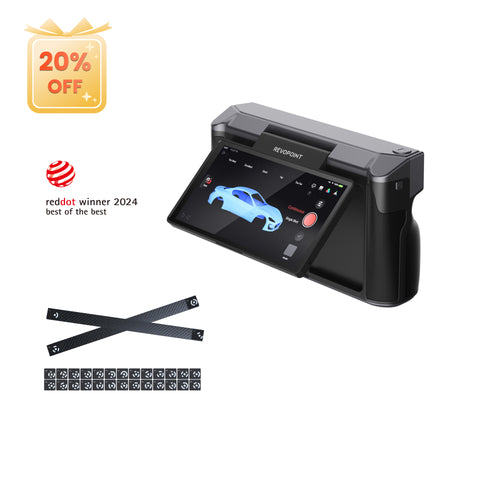
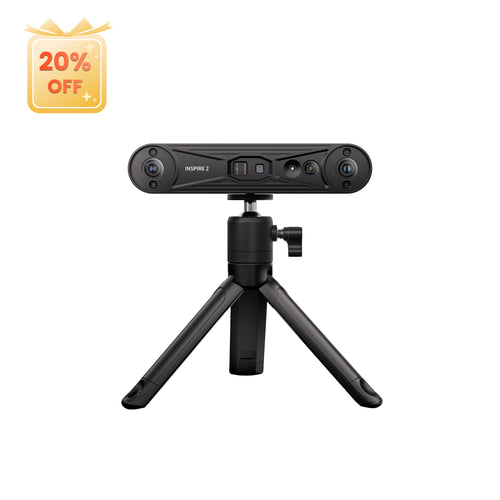
3D scanners: match the tech to the object. Structured-light scanners handle medium objects and skin; blue laser line scanners are more accurate on small mechanical parts; large-object scanners use tracking so you can capture car panels without markers. Compare stated accuracy (in millimeters) and point distance (resolution), and check the minimum and maximum scan volume. Dark, shiny or transparent surfaces usually need scanning spray. Factor in your computer: high-resolution scans need a decent GPU and plenty of RAM to process.
Software and returns. Scanner software determines how much cleanup you do; check whether measurement or inspection features cost extra. Revopoint does not refund software, and shipping fees and taxes are not refunded after shipment. Revopoint offers a 30-day return or exchange with all original accessories, so test thoroughly in that window.
Regional stores and shipping. Several 3D printing brands run separate storefronts by country with different prices and policies. Buy from the store that serves your country to avoid duties and warranty confusion.
Budget tiers. Budget filament runs roughly $13 to $20 per kilogram. Entry handheld scanners start in the low hundreds; metrology-grade blue laser units with inspection software run into the thousands.