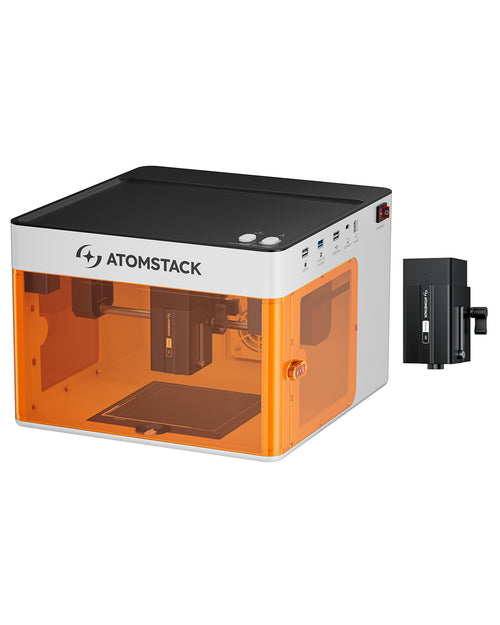
 −80%
−80%Laser Engravers & Cutters
Diode, infrared and dual-light laser engravers for crafters and small shops, plus the return-fee tables to read before buying.
Popular laser engravers & cutters picks
Shop all laser engravers & cutters →−80%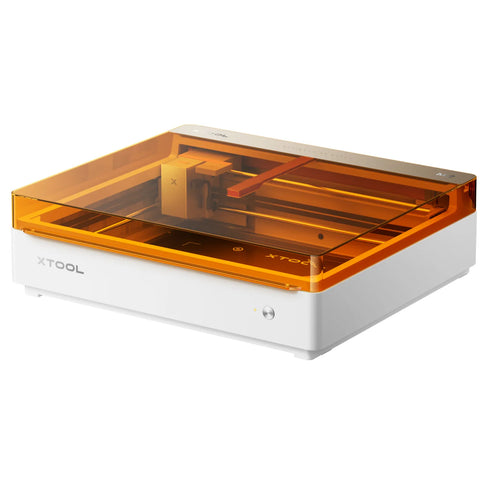 −64%
−64%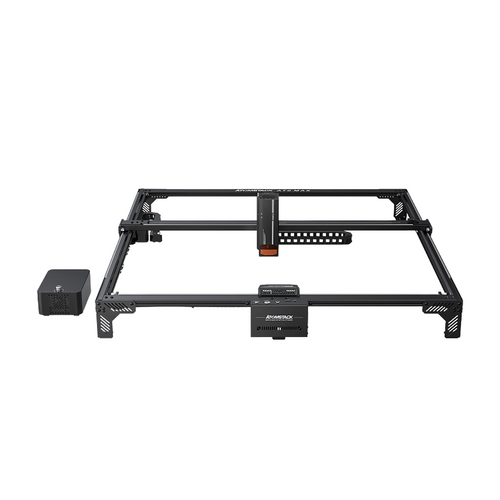 −56%
−56%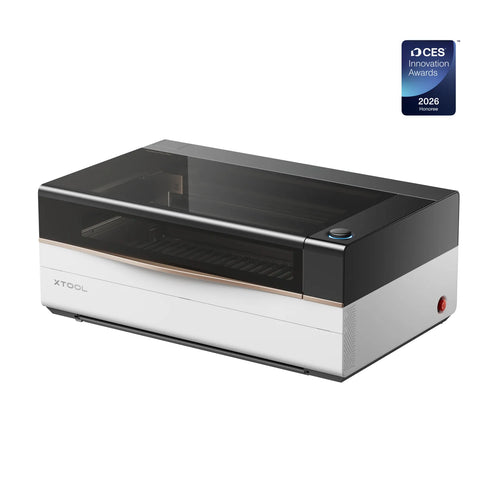 −33%
−33%xTool
xTool P3 80W Flagship CO2 Laser Cutter with Intelligent Automation
$6,999–$10,459$10,459
Shop at xTool →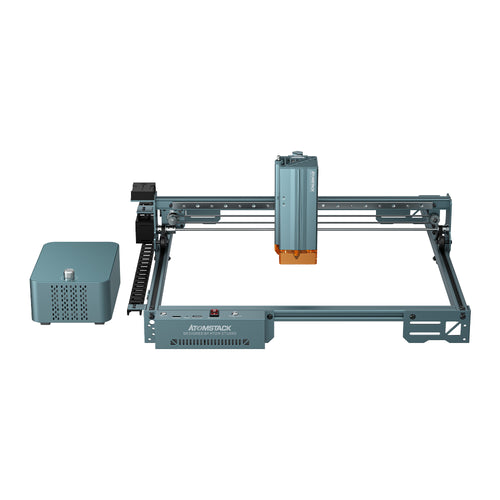 −67%
−67%AtomStack
AtomStack A40 Pro V2 Laser Engraver with F60 Air Assist Kit
$769–$1,489$2,310
Shop at AtomStack →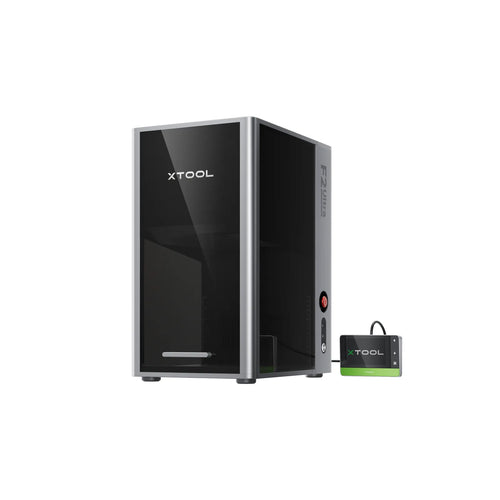 −38%
−38%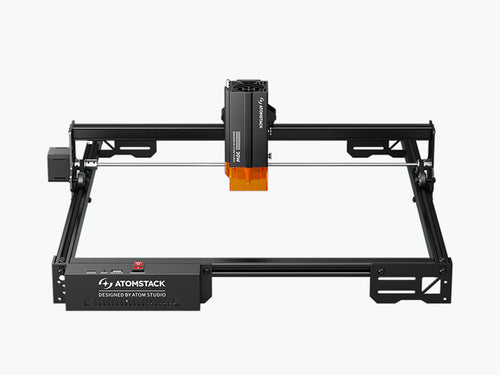 −72%
−72%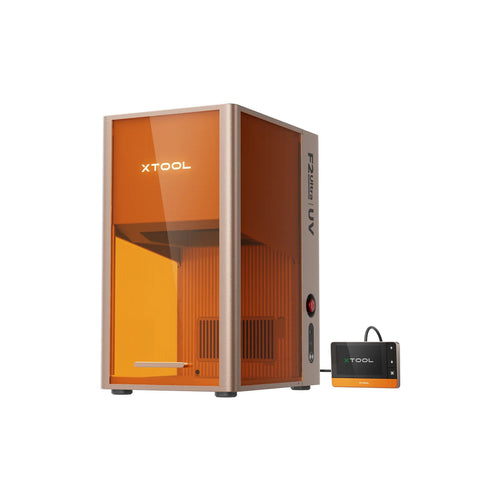 −28%
−28%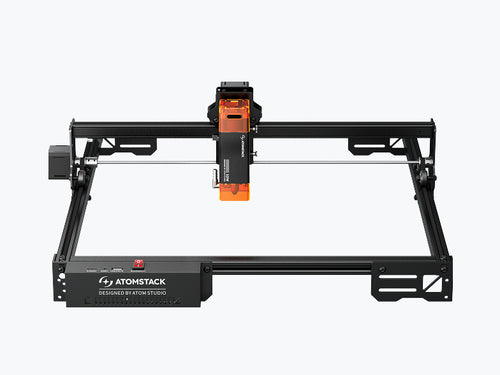 −80%
−80%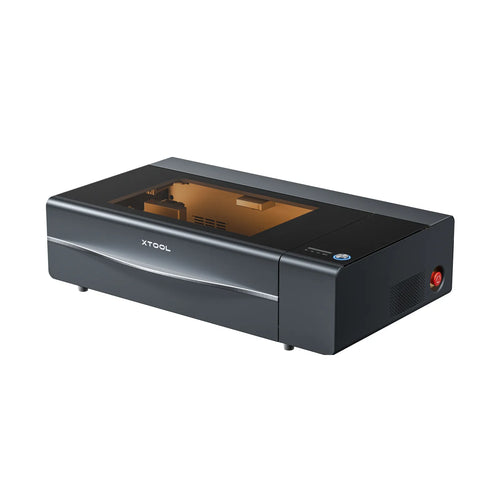 −56%
−56%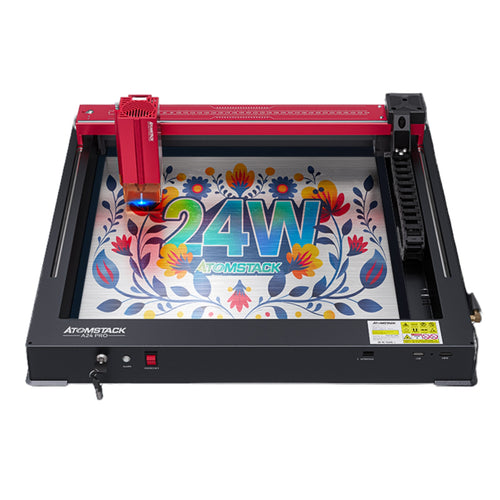 −75%
−75%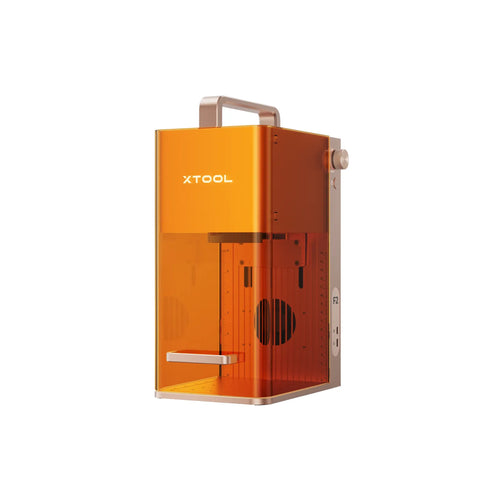 −43%
−43%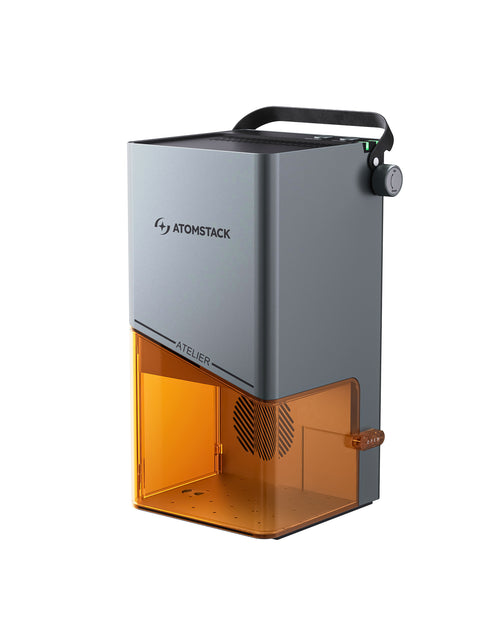 −68%
−68%AtomStack
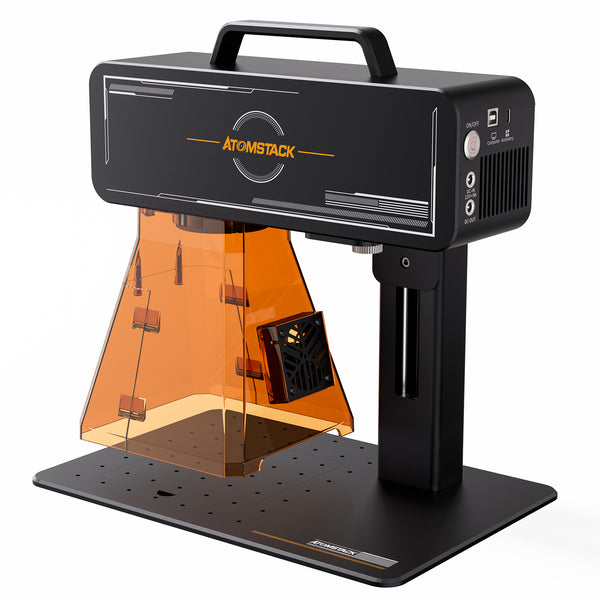
AtomStack Atelier AI Diode Laser Engraver with Built-in Camera
$599–$999$1,899
Shop at AtomStack →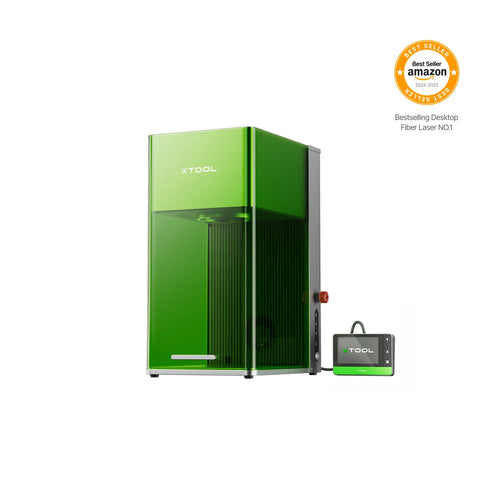 −36%
−36%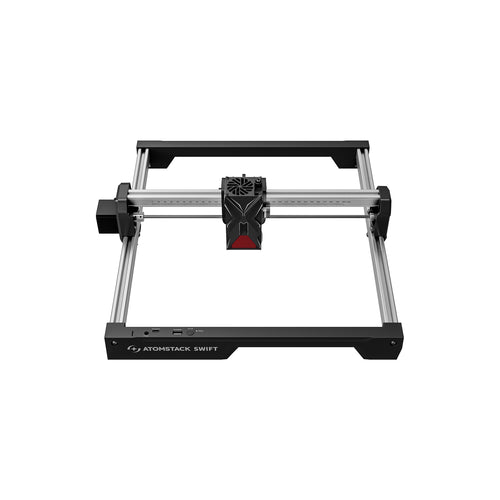 −86%
−86%Laser Engravers & Cutters deals
More deals →
2 Laser Engravers & Cutters brands to shop
 ★ Scouted pick
xTool
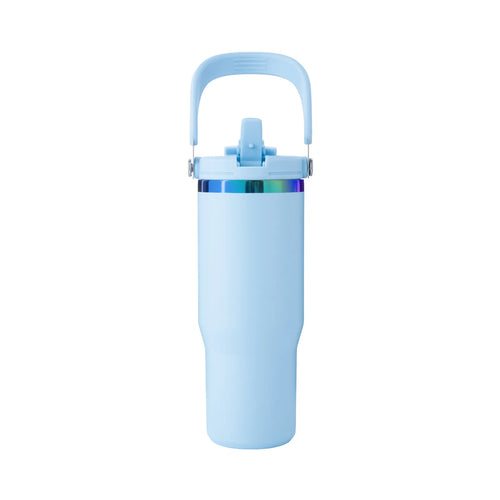
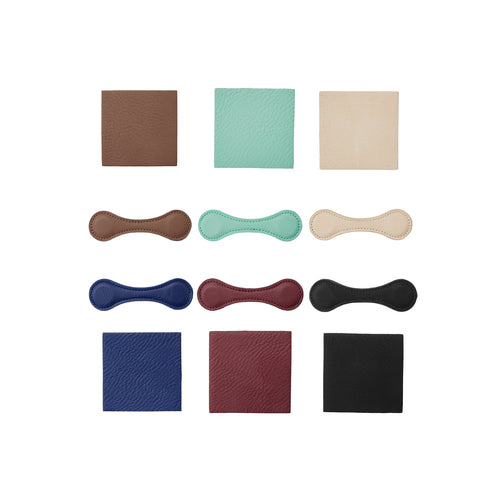
Desktop laser engravers, cutters, printers and welders, plus the blanks to feed them

AtomStack
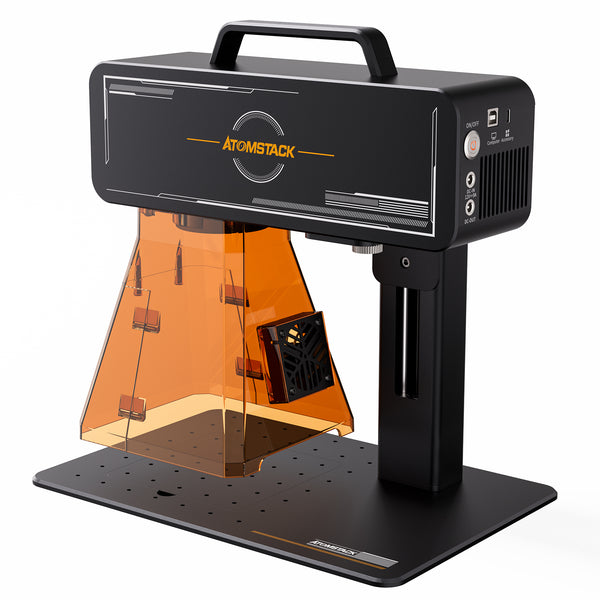
Diode and dual-light laser engravers plus replacement parts for hobbyists and small shops
Laser Engravers & Cutters buying guides
Best of
Best Laser Engraver Brands (2026): xTool vs AtomStack Ranked
Best laser engraver brands for 2026: xTool vs AtomStack compared on laser types, parts, materials, return fees, and…
Comparison
xTool vs AtomStack (2026): Which Laser Engraver Brand to Buy?
xTool vs AtomStack laser engravers in 2026: machine range, materials, spare parts, return fees and warranty compared,…
About laser engravers & cutters brands
A laser engraver is a real machine purchase, and the costs that surprise people come after the box arrives: ventilation, an air assist pump, a rotary attachment for tumblers, replacement modules, and return fees if the machine does not suit you. The most important number on any listing is optical output power, not the electrical input figure some ads lead with.
The two brands we cover both sell direct with large parts catalogs. xTool has the broader ecosystem: enclosed diode machines like the S1, color-capable models like the M2, the F2 Ultra line for glass and metal, plus jigs and blanks sold with matched settings. AtomStack is the budget-leaning option, with diode and dual-light machines and nearly every replacement part sold separately, plus refurbished units with shorter warranties.
Both charge fees on non-defective machine returns, so treat the purchase as close to final once you start lasering.
How to shop for a laser engraver online
Know the laser types. Blue diode lasers (roughly 5W to 40W optical) are the hobby standard: good on wood, leather, cardboard, slate and coated metal, and able to cut thin plywood and dark acrylic. They struggle with clear acrylic and cannot mark bare metal well. 1064nm infrared and fiber lasers mark bare metal and some plastics but do not cut wood. CO2 lasers cut clear acrylic and thick wood cleanly but are larger and pricier. "Dual-light" machines pair a diode with an infrared module so one frame covers wood and metal.
Optical versus input watts. Some listings quote electrical input (for example "80W") next to a much smaller optical output (for example "10W"). Compare optical output only. For cutting, more optical power and a good air assist both matter; for detailed engraving, spot size matters more than raw power.
Enclosure and safety. Open-frame diode lasers require certified safety glasses for the specific wavelength and a room you can ventilate. An enclosed machine with a viewing window and an exhaust fan is far safer around kids and pets. Never laser PVC or vinyl, which release chlorine gas. Budget for a fume extractor or an inline duct fan if you work indoors.
Work area and accessories. Check the bed size against your largest project, and whether there is a pass-through slot for longer boards. Tumblers and rings need a rotary attachment. A honeycomb bed and air assist are essential for clean cuts. Software matters too: check whether the machine works with LightBurn, the brand's own app, or both.
Read the return fee table. This is the biggest trap in the category. xTool charges no service fee on returns in the first 14 days, but from day 15 to 30 a non-defective return costs 10% to 30% of the order total, and the machine must have lasered fewer than 50 times. AtomStack accepts unopened machine returns within 15 days, with a 10% service charge plus return shipping. In practice, once you open and run a machine, plan to keep it.
Warranties and refurbished units. AtomStack covers new machines for one year, open-box for six months and refurbished for three. Laser modules are the part most likely to need replacing, so check the price of a spare module before choosing a machine.
Budget tiers. Entry diode machines run a few hundred dollars. Enclosed 10W to 20W diode machines and color or dual-light units sit in the $1,000 to $2,500 range. Fiber and galvo machines for fast metal marking and production work go higher.
Which brand fits which buyer
- Etsy and craft-fair sellers who want the laser, jigs and blanks from one supplier: xTool.
- Beginners who want an enclosed first machine with matched material settings: xTool.
- Small shops adding glass, crystal or metal engraving: xTool F2 Ultra line.
- Budget hobbyists buying a first diode laser: AtomStack.
- Existing AtomStack owners and shops needing exact-fit modules and belts, or bargain hunters comfortable with refurbished: AtomStack.
Frequently asked questions
Can a diode laser engrave metal?
A blue diode laser can mark coated, anodized or painted metal and can darken stainless with marking spray, but it cannot deeply engrave bare metal. For that you need an infrared or fiber laser.
Do I need ventilation for a laser engraver?
Yes. Burning wood, leather and acrylic produces smoke and fumes, so vent outdoors with a duct fan or use a fume extractor. Never laser PVC or vinyl.
Can I return a laser engraver after using it?
Usually only with fees. xTool charges 10% to 30% for non-defective returns after day 14 and requires fewer than 50 uses, while AtomStack only takes unopened machines back within 15 days with a 10% charge.
What wattage laser do I need to cut wood?
A 10W optical diode can cut thin plywood in a few passes, and 20W or more cuts 5 to 10mm wood more practically. Air assist makes a large difference to cut quality at any power.
Is an enclosed laser engraver worth it?
For indoor use with children or pets around, yes. An enclosure contains stray light, reduces fumes and lets you watch without wearing safety glasses the whole time.
What are the best laser engravers & cutters brands?
Brands that stand out in our research include xTool, AtomStack. Each has a full review covering prices, shipping and returns.
Where can I find laser engravers & cutters deals?
276 laser engravers & cutters items are marked down right now across the brands we cover. The deals section on this page shows the biggest discounts, synced from each store.
How does Scouted Brands choose laser engravers & cutters brands?
We research each brand's catalog, pricing, shipping, return terms and transparency before recommending it, and we flag the brands that give us pause.