 −35%
−35%E-Bikes
Budget fat-tire, folding and step-thru e-bikes plus a UK price comparison tool, with the return fees and battery specs to check.
Popular e-bikes picks
Shop all e-bikes →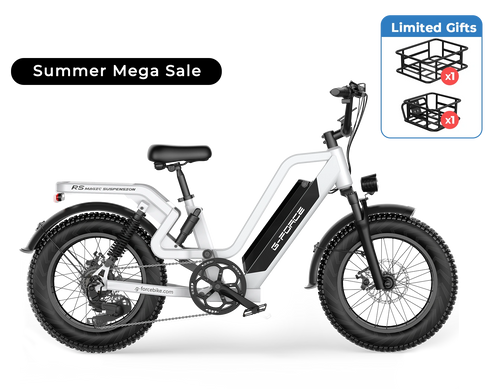
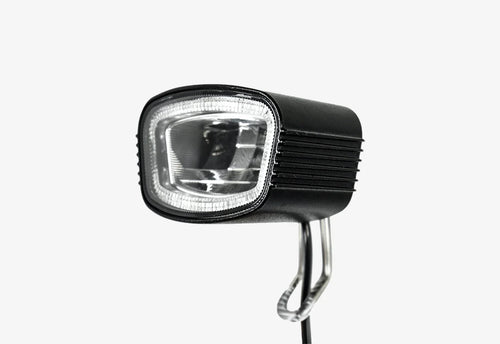
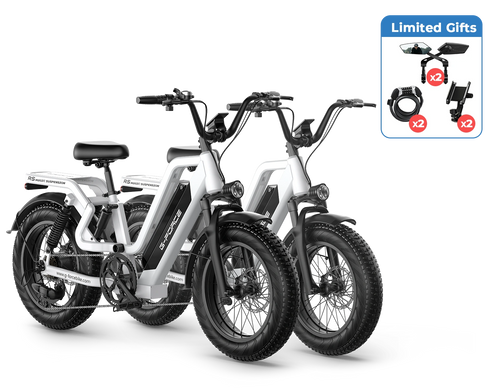
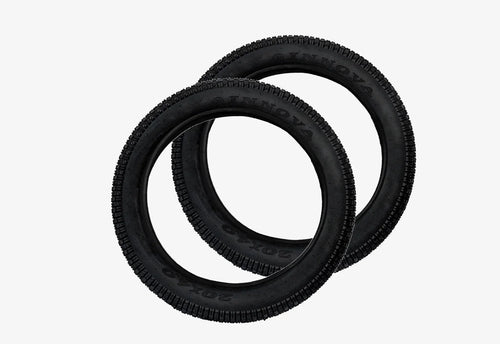
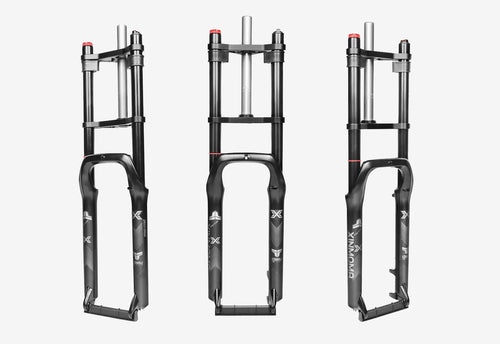
E-Bikes deals
More deals →
3 E-Bikes brands to shop

Fucare Bike
Budget fat-tire e-bikes with dual batteries and AWD, plus a deep replacement parts shop

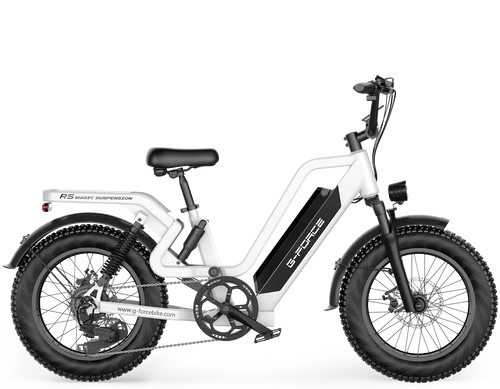
G-FORCE
Direct-to-consumer e-bikes and scooters with free shipping in the lower 48 states

Bike Ninja
UK e-bike comparison site with live retailer prices, price history and Cycle to Work math
E-Bikes buying guides
Best of
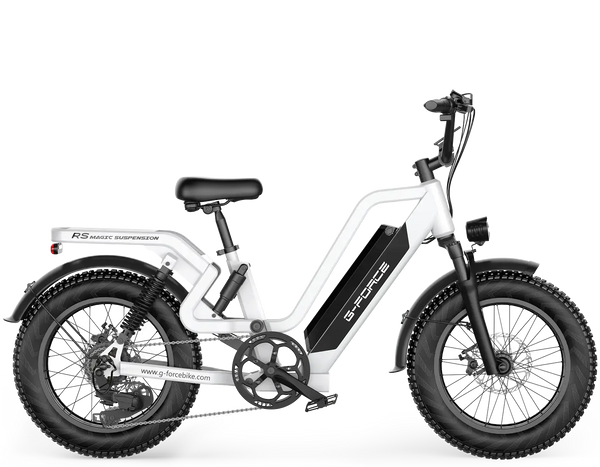
Best E-Bike Brands (2026): G-FORCE vs Fucare vs Bike Ninja
Best e-bike brands for 2026, ranked on warranty, return fees, and parts: G-FORCE, Fucare fat-tire bikes, and Bike…
How to choose
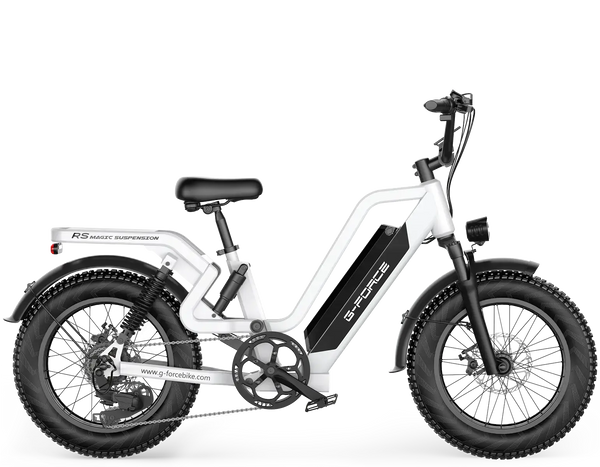
How to Choose an E-Bike: 8 Things That Matter (2026)
How to choose an e-bike in 2026: frame type, legal class, battery Wh, motor torque, brakes, weight, return fees and…
About e-bikes brands
Buying an e-bike online saves money and costs convenience. There is no shop to adjust brakes, true wheels or handle warranty claims, and returning a 60-pound bike in its box is expensive. That makes the policies, battery specs and parts availability just as important as the motor.
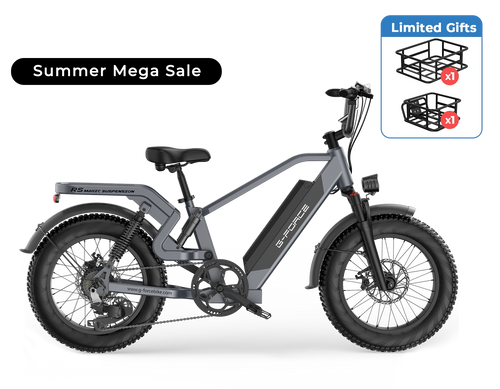
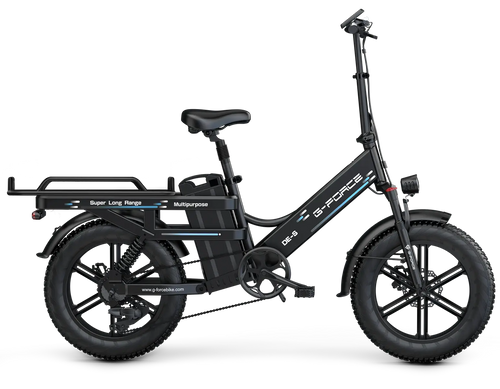
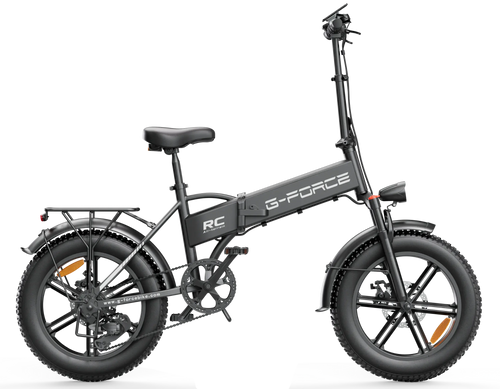
The direct-to-consumer brands we cover sit in the budget tier. Fucare Bike sells fat-tire e-bikes, including dual 30Ah battery and all-wheel-drive models, and runs a deep replacement parts shop. G-FORCE sells step-thru, folding and cargo e-bikes with free shipping to the lower 48 states and a 1-year warranty, but charges a 10% processing fee on any return or cancellation. Bike Ninja is not a shop: it is a UK comparison site with live retailer prices, price history and Cycle to Work calculations.
Whichever route you take, confirm return terms in writing before paying, and keep the box.
How to shop for an e-bike online
Know your class and local rules. In the US, Class 1 e-bikes are pedal-assist to 20mph, Class 2 add a throttle to 20mph, and Class 3 are pedal-assist to 28mph. Trails, bike paths and some cities restrict Class 2 or 3, and some states have age or helmet rules. In the UK, legal e-bikes (EAPCs) are limited to 250W and 15.5mph assistance; anything stronger is treated as a motor vehicle.
Battery: watt-hours, not just amp-hours. Multiply volts by amp-hours to compare capacity; a 48V 20Ah battery holds 960Wh. Range claims assume light riders, flat ground and low assist, so expect less with fat tires, hills and throttle use. Look for UL 2849 certification of the electrical system (or UL 2271 for the battery) for fire safety, and charge and store batteries away from exits. Dual-battery bikes extend range but add weight.
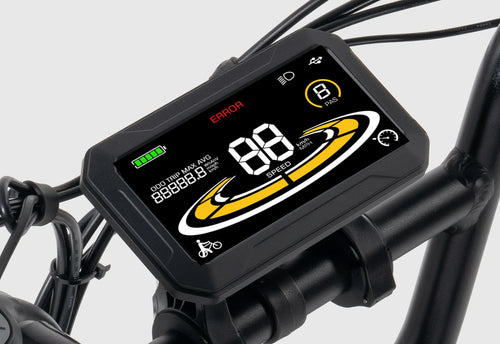
Motor and drivetrain. Hub motors are cheaper and simpler; mid-drive motors climb better and feel more natural but cost more. Torque (Nm) predicts hill performance better than wattage. Hydraulic disc brakes are a real upgrade over mechanical on a heavy fat-tire bike. Torque sensors give smoother assist than cadence sensors.
Fit and frame. Check the rider height range and the bike's weight, especially if you must carry it upstairs. Step-thru frames suit riders with limited mobility or those wearing skirts. Folding bikes save storage space but are heavier than they look.
Parts and service. Budget e-bikes are only as good as your ability to get parts. A brand that sells model-specific controllers, batteries and brake parts directly reduces long-term risk. Find a local shop willing to service direct-to-consumer bikes before you buy.
Return and delivery traps. G-FORCE charges 10% on any return or canceled order and asks you to keep the box for 14 days or pay $50 to $90 for one. Fucare advertises a 30-day trial and 1-year warranty, but we could not read the full terms, so get them from support first. Frame warranties often cover replacement frame only, not labor. Bikes arrive mostly assembled; inspect for shipping damage the day it arrives.
Comparison sites. In the UK, using a comparison tool to check price history before a "sale" is smart, and Cycle to Work schemes can reduce the effective cost significantly. Always confirm final price and policies on the retailer's own site.
Budget tiers. Budget direct e-bikes run roughly $700 to $1,700. Mid-drive commuters and cargo bikes from established brands typically start around $2,000 and go well above.
Which brand fits which buyer
- Commuters wanting long range or riders on sand and snow who want fat tires and AWD: Fucare Bike, after confirming trial and warranty terms with support.
- Budget buyers in the lower 48 who want a step-thru, folding or cargo e-bike delivered free: G-FORCE, knowing returns cost 10%.
- UK shoppers comparing retailers, especially through Cycle to Work: Bike Ninja.
Frequently asked questions
Is it safe to buy an e-bike online?
It can be, provided the battery and electrical system carry recognized safety certification, the brand sells replacement parts, and you understand the return terms before ordering. Plan on finding a local mechanic who will service it.
How far can a budget e-bike go on one charge?
Real range depends on battery watt-hours, rider weight, terrain and assist level. A 48V 15 to 20Ah battery commonly gives 25 to 50 miles in mixed use, and dual-battery bikes go further.
Can I return an e-bike if I do not like it?
Often yes, but expect fees. G-FORCE charges a 10% processing fee on any return or cancellation and requires the original box, and return freight on a boxed e-bike is costly.
What is the difference between Class 1, 2 and 3 e-bikes?
Class 1 is pedal-assist to 20mph, Class 2 adds a throttle up to 20mph, and Class 3 is pedal-assist to 28mph. Where you can ride each class depends on local rules.
What is the UK Cycle to Work scheme?
It lets employees buy a bike through salary sacrifice, spreading the cost and saving on tax and National Insurance. Employers set the limits, so check your scheme before choosing a bike.