 −69%
−69%Kitchen & Dining
Rugged G-10 chef knives, reverse osmosis water filters and twist-to-vacuum coffee canisters, with specs and return rules for each.
Popular kitchen & dining picks
Shop all kitchen & dining →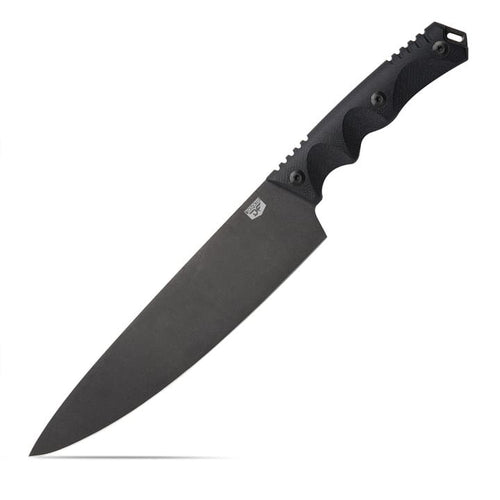
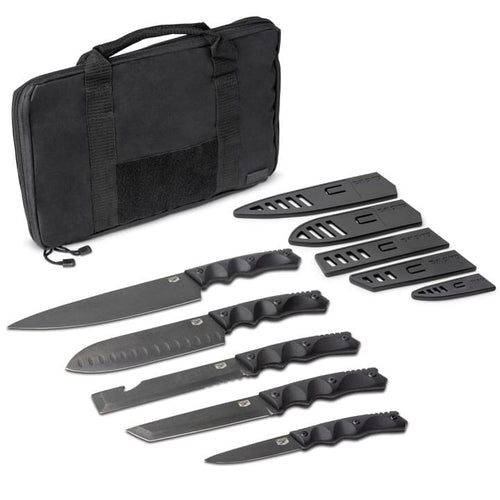
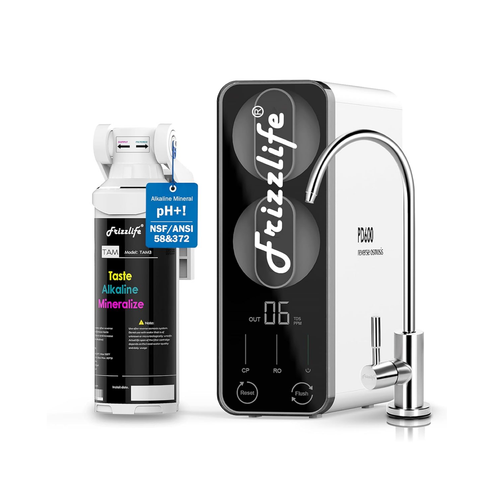
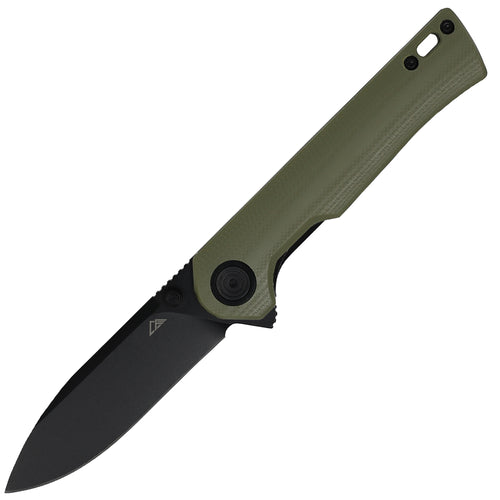
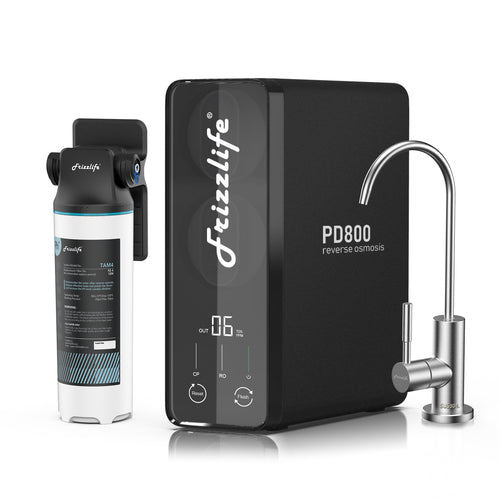
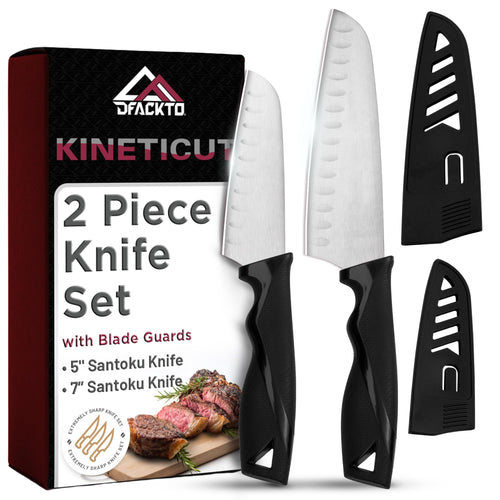
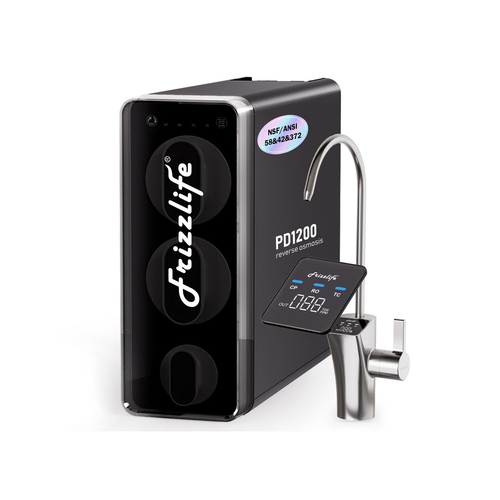
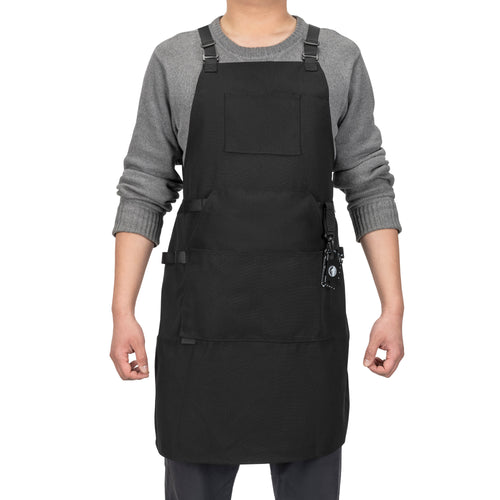

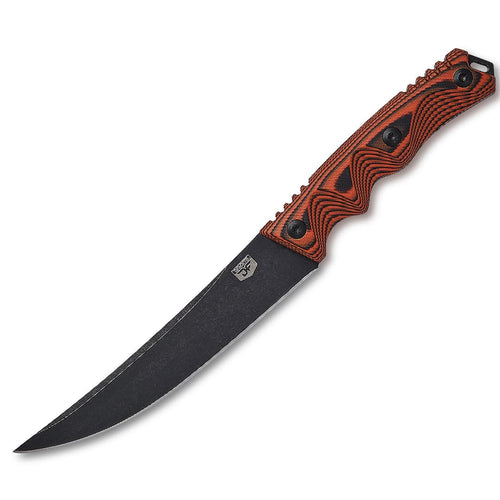
Kitchen & Dining deals
More deals →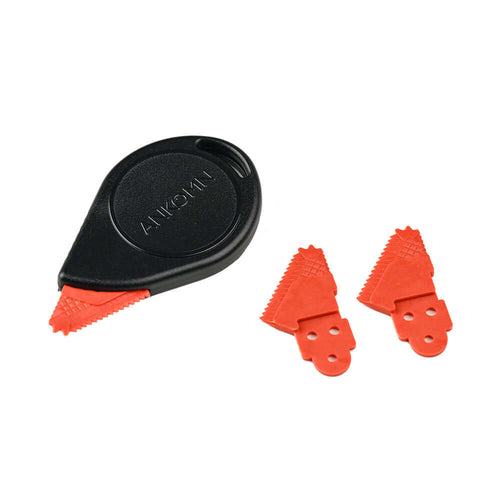
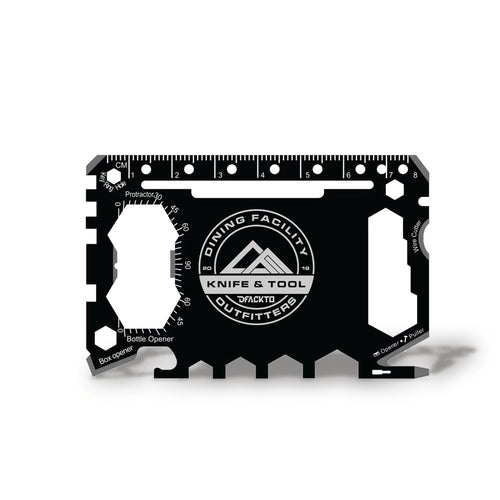
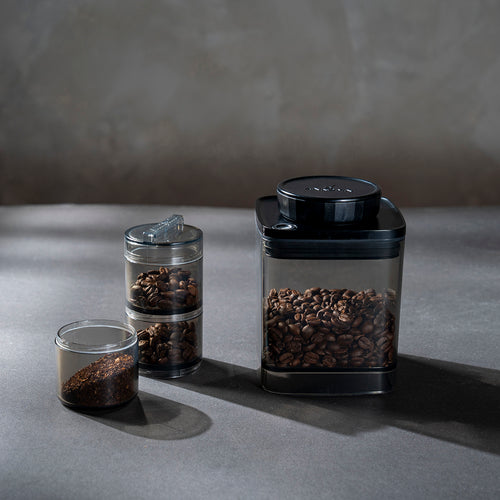
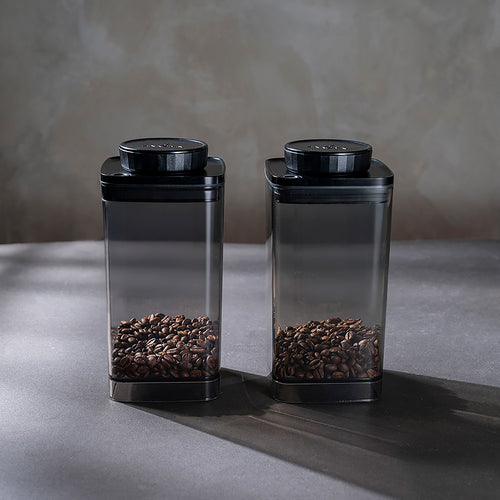
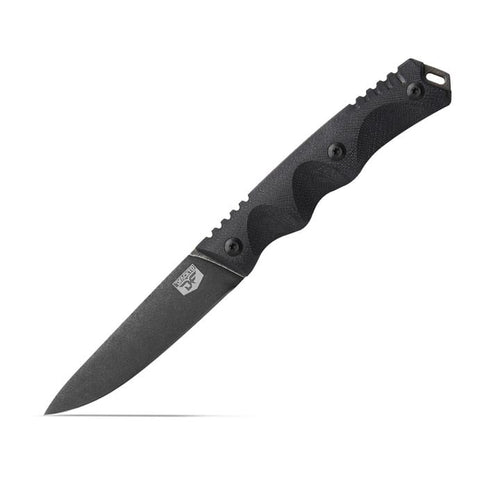
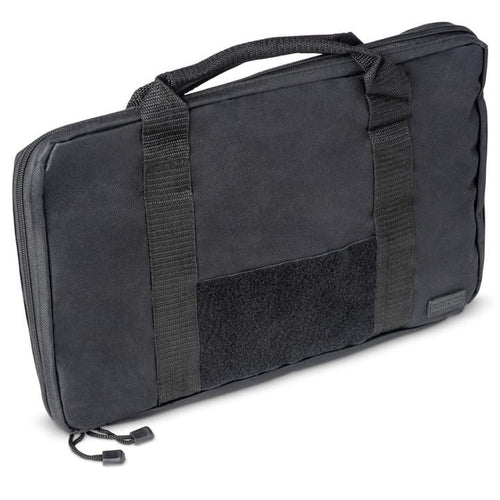
3 Kitchen & Dining brands to shop

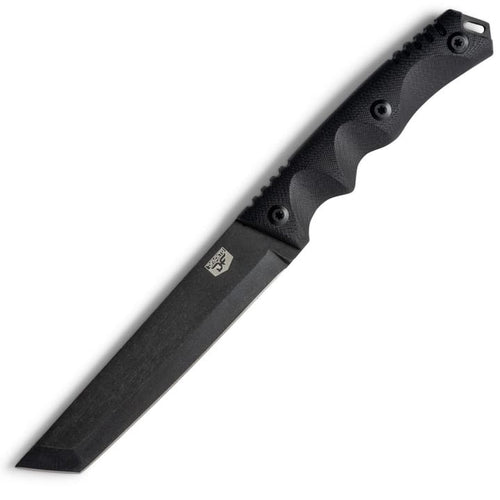
DFACKTO
Rugged G-10 handled chef knives and camp kitchen knife sets built for cooking outdoors

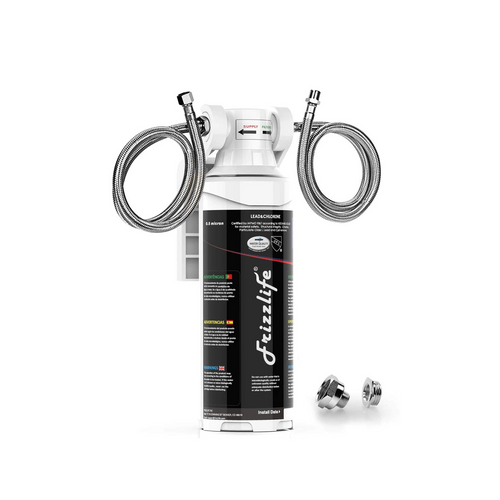
Frizzlife
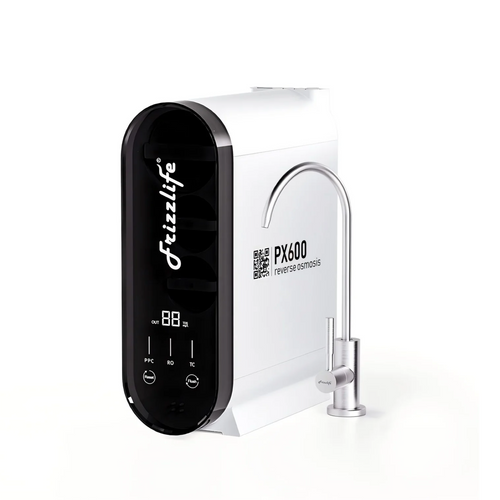
Reverse osmosis, under-sink, countertop, faucet, and shower water filters for the home

ANKOMN
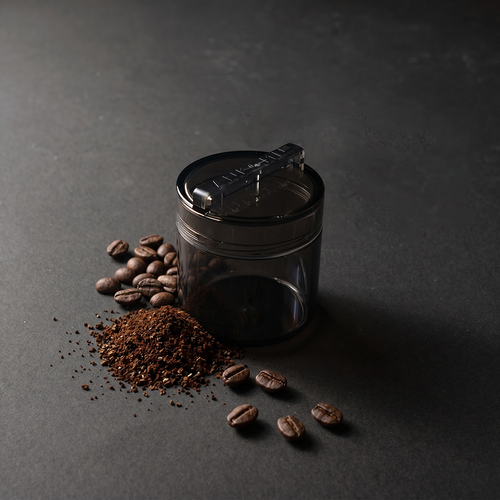
Twist-to-vacuum coffee canisters and airtight food containers made in Taiwan
Kitchen & Dining buying guides
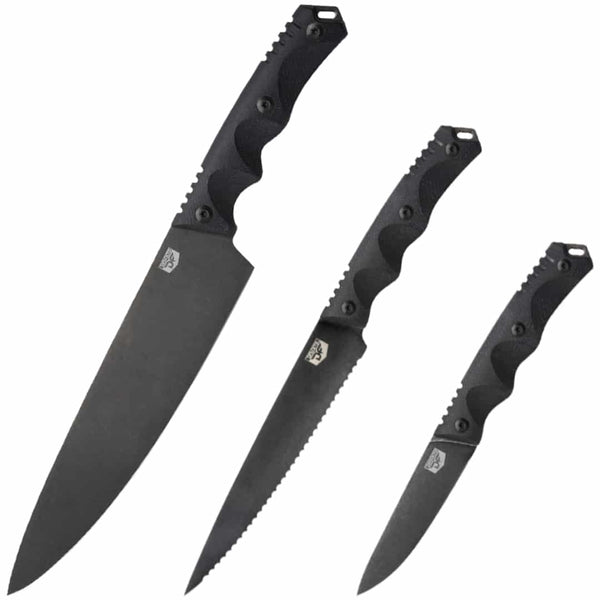
Best of
Best Kitchen and Dining Brands (2026): DFACKTO, Frizzlife and ANKOMN
The best kitchen and dining brands we reviewed for 2026: DFACKTO knives, Frizzlife water filters and ANKOMN vacuum…
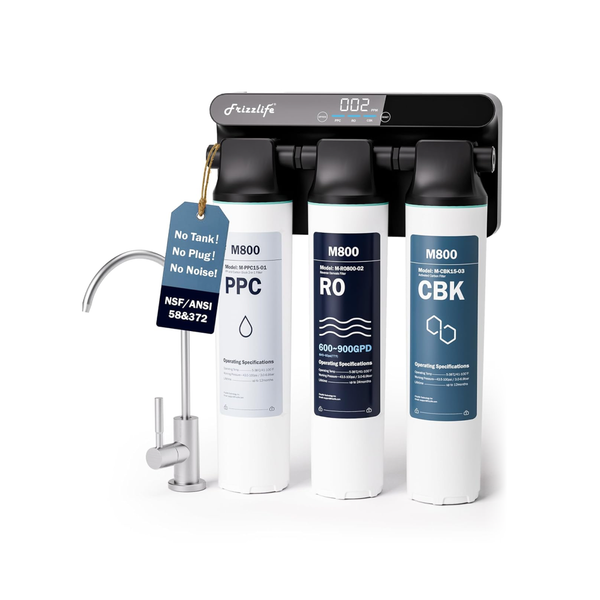
How to choose
How to Choose Kitchen & Dining Gear (2026): Filters, Knives, Storage
How to choose kitchen and dining gear in 2026: water filter types and certifications, knife steel and sets, and vacuum…
About kitchen & dining brands
Kitchen gear bought online has a quiet return problem: once something touches food or gets plumbed in, it usually cannot go back. That puts more weight on reading specs before ordering. A knife's steel and handle decide how it holds an edge and feels wet, a water filter's certifications decide what it actually removes, and a storage canister's seal decides whether coffee stays fresh.
The three brands we cover each do one thing. DFACKTO makes full-tang chef knives with grippy G-10 handles and camp kitchen knife rolls for campers, hunters and BBQ cooks, plus cheaper everyday sets, shipping only to US and APO/FPO addresses. Frizzlife sells tankless reverse osmosis systems, under-sink and countertop filters and shower filters at prices below many premium brands. ANKOMN makes Taiwan-made coffee and food canisters that vacuum seal by twisting the lid, with no pump or batteries.
Each has a straightforward 30-day return window for unused items, which in this category means deciding before first use.
How to shop for kitchen and dining gear online
Knives: steel, hardness and handle. German-style stainless steels are softer (around 55 to 58 HRC), tougher and easier to sharpen; Japanese-style steels run harder (60 HRC and up), hold a sharper edge longer but can chip. Full-tang construction (the steel runs through the handle) adds balance and durability. G-10 handles are a fiberglass laminate that stays grippy when wet, which suits outdoor cooking. A knife roll or bag protects edges in transport. Hand-wash and dry knives; dishwashers dull and damage them.
Choosing a knife set. Most cooks use three knives: a chef's knife, a paring knife and a serrated bread knife. Specialty knives (boning, fillet, brisket slicer) make sense for hunting, fishing and BBQ. A large block set full of steak knives often costs more than buying three good knives.
Water filters: certification first. Look for NSF/ANSI certification relevant to your goal: Standard 42 for taste and chlorine, 53 for health contaminants like lead, 58 for reverse osmosis systems and 401 for emerging contaminants. Reverse osmosis removes the widest range of dissolved contaminants but also removes minerals, and it produces wastewater; check the stated pure-to-drain ratio. If your city uses chloramine, confirm the filter is rated for it. Test your water first, or read your utility's annual water quality report.
Installation and fit. Under-sink RO systems need cabinet space, a cold water line, a drain connection and usually a faucet hole. Many require minimum water pressure, often around 40 PSI. Renters can use countertop RO dispensers that need no plumbing. Price replacement filters for two years before choosing a system; filter cost often outweighs the unit price.
Food storage. Vacuum canisters slow oxidation of coffee beans, nuts and tea. Match canister capacity to how much you buy at once; a standard 12oz bag of beans needs roughly a 450g-class canister. Opaque containers block light, which also degrades coffee and tea.
Return traps. Installed filters and used food-contact items are effectively non-returnable. ANKOMN excludes used food-contact items and sale items. Frizzlife excludes sale items and offers exchanges only for defective items. DFACKTO accepts any-reason returns within 30 days in original packaging, but you pay return shipping. Frizzlife does not publish a warranty or shipping terms on its site, so ask before ordering a full system.
Shipping. DFACKTO charges $18.99 to Alaska and Hawaii and does not ship outside the US. ANKOMN dispatches within 48 hours and quotes 3 to 5 days in North America.
Budget tiers. A basic knife set can cost under $30; quality outdoor chef knife sets run $100 and up. Vacuum canisters cost $20 to $80. Under-sink RO systems range from about $150 to several hundred dollars before filters.
Which brand fits which buyer
- Campers, overlanders and hunters who cook real meals outdoors: DFACKTO Interceptor line.
- BBQ cooks needing a brisket slicer and carving fork, or budget buyers wanting a basic set: DFACKTO.
- Homeowners wanting tankless under-sink RO below premium prices: Frizzlife, after confirming warranty terms.
- Renters needing a countertop RO dispenser with no plumbing: Frizzlife.
- Whole-bean coffee and tea drinkers wanting pump-free vacuum storage: ANKOMN.
Frequently asked questions
What does NSF certification mean for water filters?
It means an independent body has tested the filter against a specific standard, such as NSF/ANSI 42 for chlorine and taste or 58 for reverse osmosis. Check which standard covers the contaminants you care about.
Does reverse osmosis remove healthy minerals?
Yes, RO removes most dissolved minerals along with contaminants. Some systems add a remineralization stage if you prefer the taste of mineral water.
Can I return a water filter after installing it?
Usually not. Most stores accept only unused items in original packaging, so confirm fit and water pressure before installing.
Do vacuum canisters keep coffee fresher?
They reduce oxygen exposure, which slows staling, especially for whole beans stored for more than a week. Keeping beans away from light and heat helps too.
What is a full-tang knife?
A full-tang knife has a single piece of steel running the full length of the handle. It tends to feel more balanced and is more durable than partial-tang designs.