 −18%
−18%Langy Solar Lighting
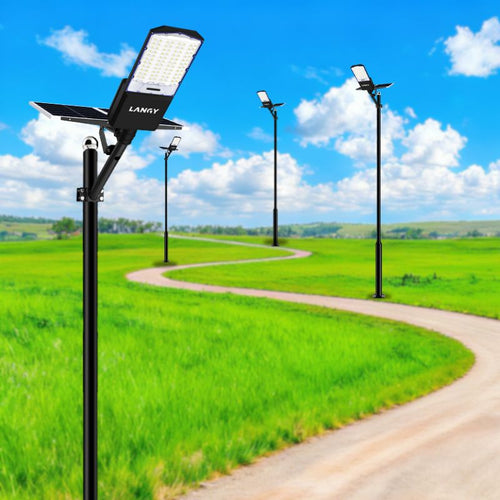
1800W solar street light with 20ft /16ft pole
$408.69–$438.79$499
Shop at Langy Solar… →LiFePO4 batteries, solar kits and off-grid lighting for RVs, cabins and backup power, with the specs that actually size a system.
−18%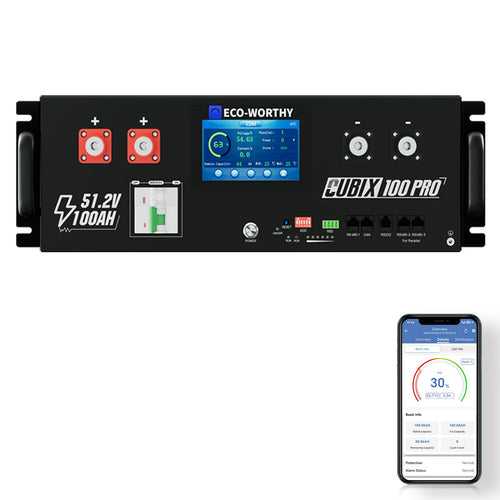
 −70%
−70%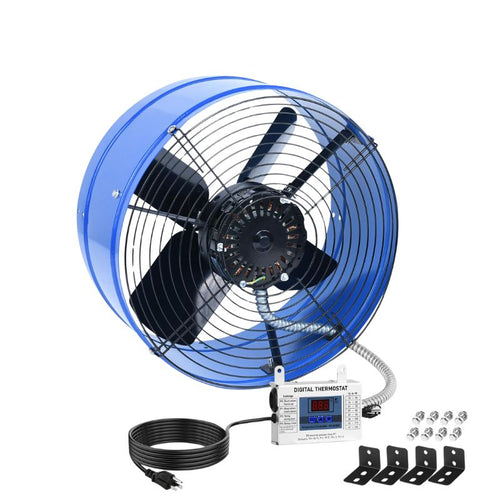 −27%
−27%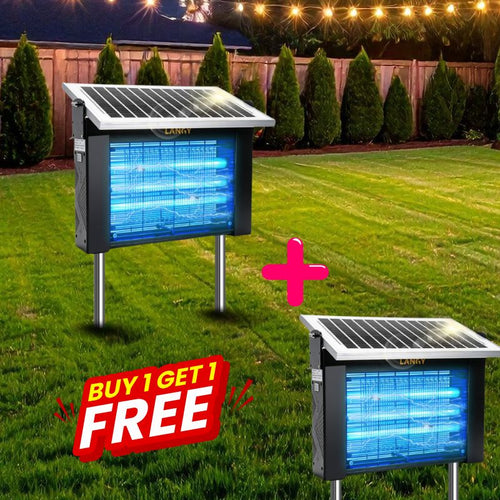
 −10%
−10%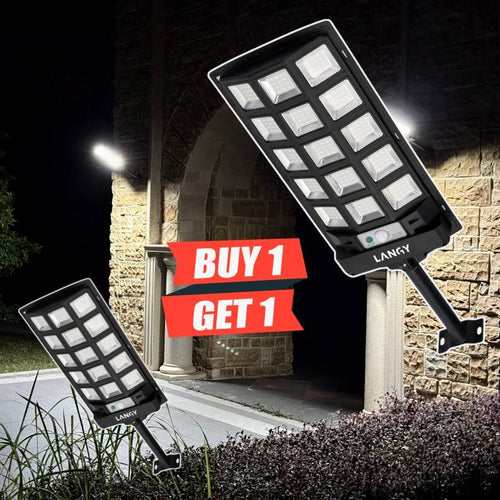
 −25%
−25%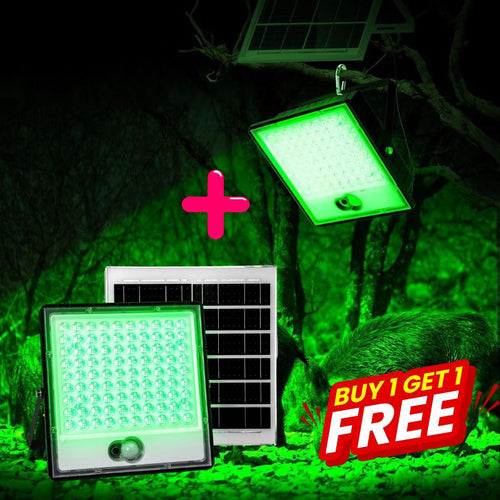
 −20%
−20%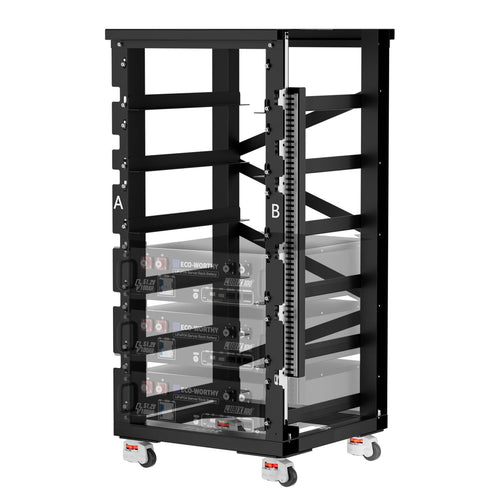 −25%
−25%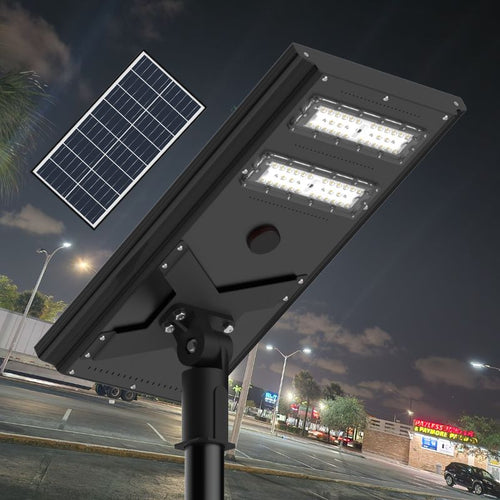 −26%
−26%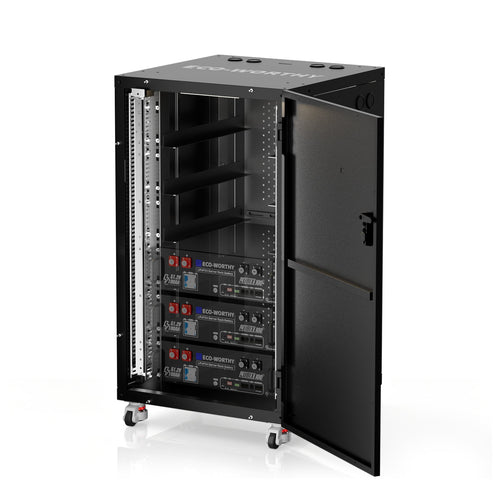
 −83%
−83%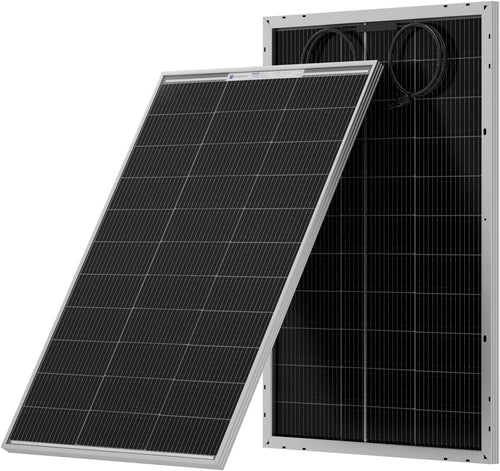 −81%
−81%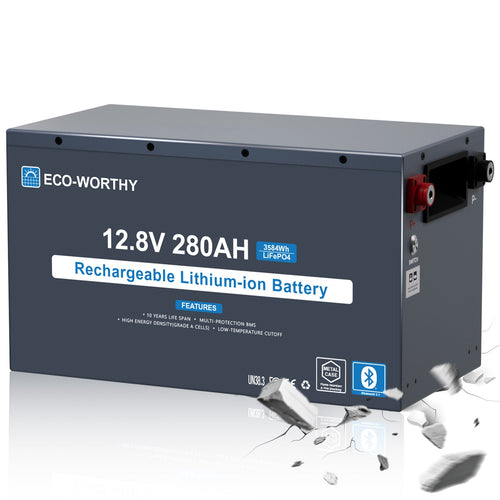 −80%
−80% −76%
−76%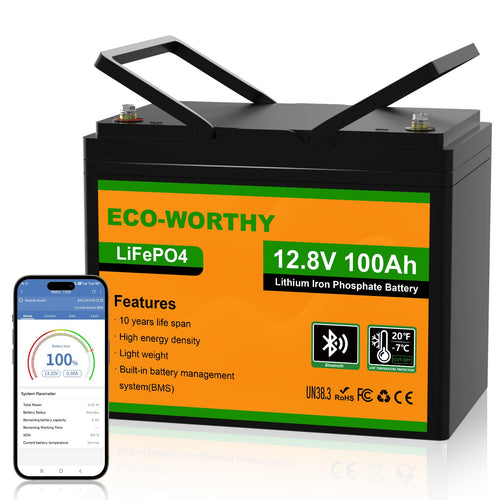 −76%
−76%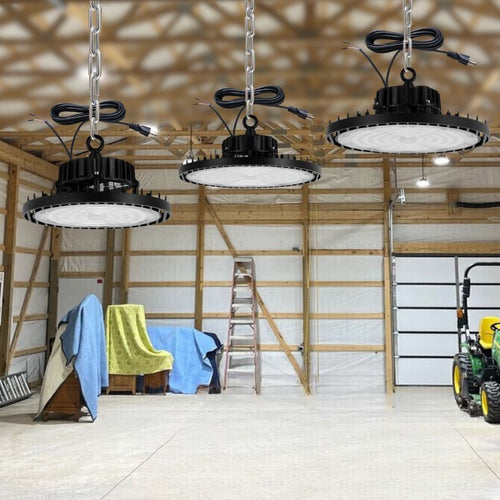 −72%−70%
 −70%
−70% ★ Scouted pick
Budget LiFePO4 batteries, solar panels, and off-grid kits for RVs, cabins, and homes
 ★ Scouted pick
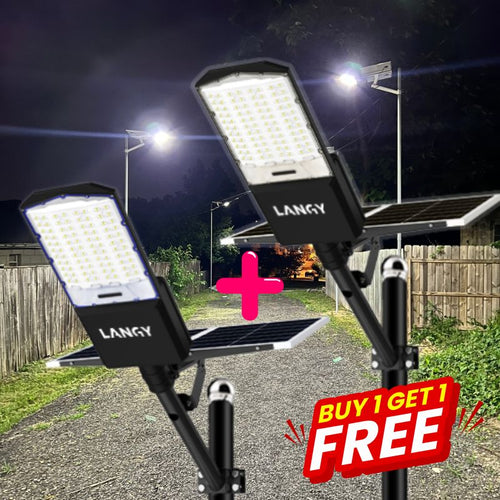
Solar street and parking lot lights, UFO high bays, solar attic fans and hunting lights
Off-grid power shopping goes wrong when people buy by headline number. A "400W" panel produces that only in lab conditions, a battery's amp-hour rating means little without its voltage, and solar street lights are routinely sold on wattage figures that have nothing to do with how bright they are. Sizing from your actual daily watt-hours is the only reliable starting point.
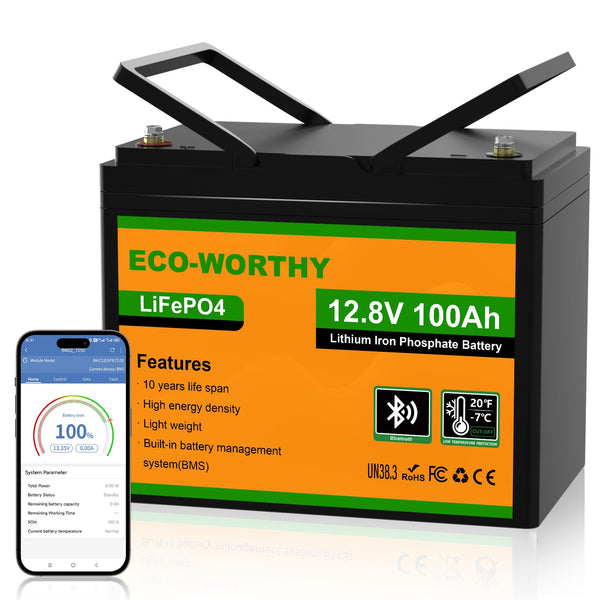
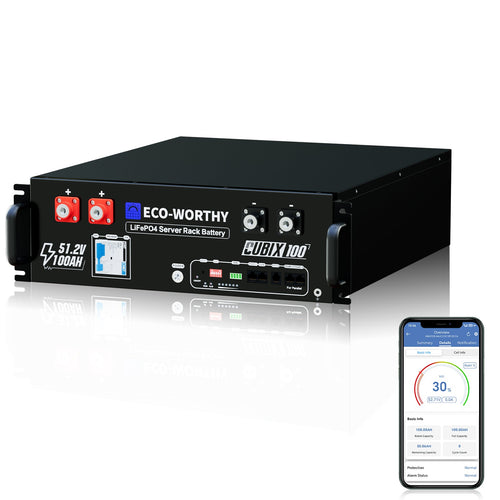
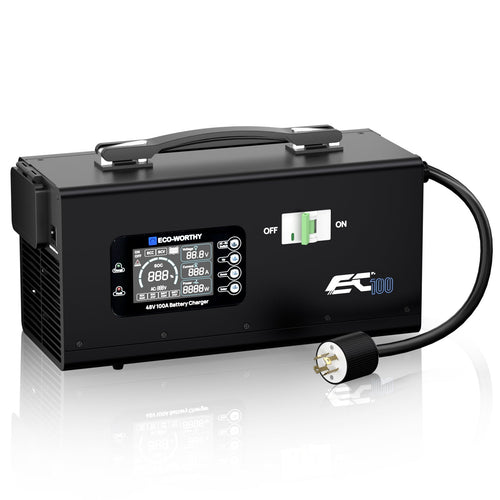
The two brands we cover sit at different scales. ECO-WORTHY sells LiFePO4 batteries, panels, inverters and complete kits for RVs, cabins and DIY home backup at prices well below premium brands, with a battery warranty its FAQ states as 10 years. Langy Solar Lighting focuses on solar street and parking lot lights, LED high bays, solar attic fans and hunting lights, shipped from a Texas warehouse with a 30-day any-reason return window.
Both reward buyers who read the spec table rather than the product title.
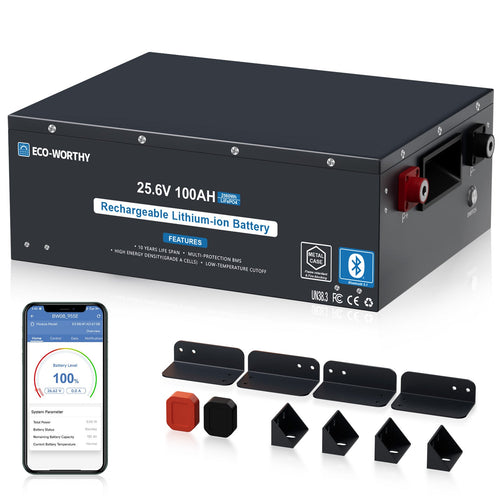
Start with a load list. Add up the watts of everything you will run and the hours per day, which gives you daily watt-hours. A 12V 100Ah battery holds about 1,280Wh; a LiFePO4 battery can use roughly 80 to 100 percent of that, while lead-acid should stay around 50 percent. Size the battery bank for one to two days of use, then size panels to refill it in your winter sun hours, not summer.
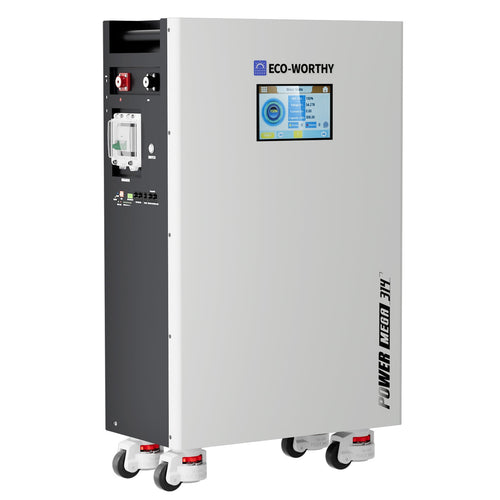
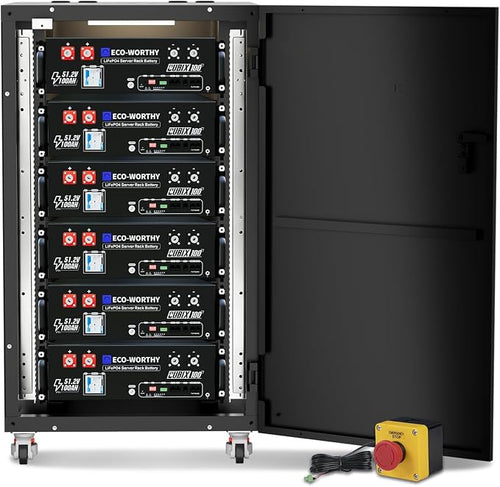
LiFePO4 checklist. Look for the BMS current limit (it caps how much you can pull continuously), low-temperature charge protection if the battery lives in a cold RV or cabin, and the stated cycle life at a given depth of discharge. Check whether batteries can be wired in series or parallel and how many, since some models allow parallel only. For home backup, 48V server-rack batteries keep currents lower and cables thinner than 12V systems.
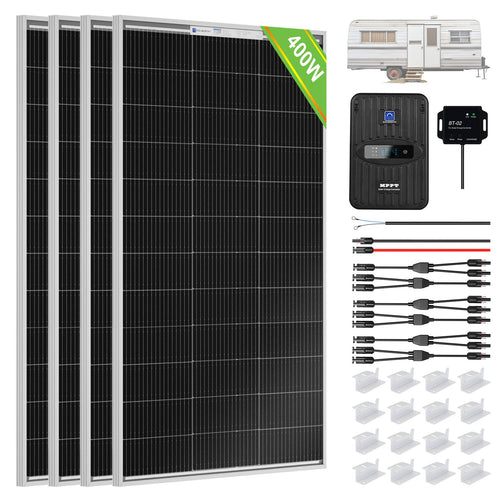
Panels and charge controllers. Panel output in real sun is commonly 70 to 85 percent of the rating. MPPT controllers harvest noticeably more than PWM, especially in cold weather or with panels wired in series. Flexible panels suit curved RV roofs and boat decks but run hotter and usually degrade faster than rigid framed panels.
Inverters. Pure sine wave is the safe choice for anything with a motor or sensitive electronics. Check continuous rating, not peak, against your largest load, and make sure the inverter input voltage matches your battery bank.
Solar lighting. Ignore the wattage in the title. Compare lumens, battery capacity in watt-hours, panel wattage and rated nights of autonomy. A light with a small panel and a big lumen claim will run bright for a few hours and then dim.
Freight, returns and warranty traps. Large kits ship by freight, which can take 5 to 14 business days, so inspect pallets on arrival and report damage fast; ECO-WORTHY asks for damaged or wrong items to be reported within 14 days. Change-of-mind returns on heavy batteries mean you pay return shipping, which can be expensive. Modifying a battery or kit usually voids the warranty, and extended coverage on items like high bays may come with per-claim fees.
Budget tiers. A single 100Ah LiFePO4 battery and a 200W panel make a weekend RV or shed system. Whole-cabin kits with a 3kW inverter and several kWh of storage run into the thousands. Home backup at 48V is a larger project where a licensed electrician should sign off on the install.