Start with the job, not the gear
"Camping, hunting and EDC" covers a lot of ground, and the mistake most buyers make is shopping by category page instead of by task. Before you compare anything, write down the one or two jobs the item has to do: see in the dark, cut, start a fire, stay dry, sleep warm, or set up a rifle. Each job has two or three numbers that matter and a lot of marketing that does not. Below are the criteria we use when reading listings, followed by where the five brands we have reviewed fit.
1. Lights: lumens matter less than you think
For a pocket or keyring light, 150 to 700 lumens covers walking, camp chores and finding things in a pack. Above that you are paying for short bursts that drain the battery and heat the light. The numbers to look for instead:
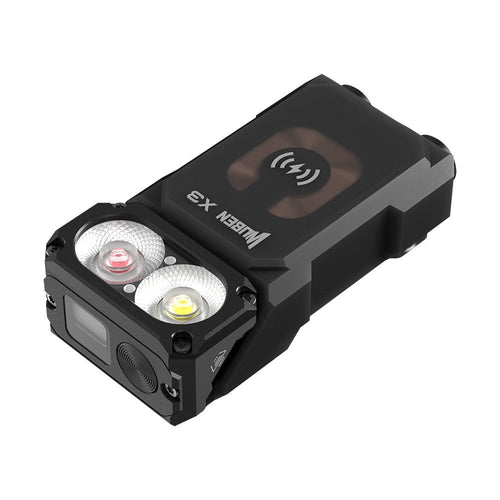
- Beam distance (meters). Tells you whether it lights a trail or just your hands. WUBEN's E2 PULSE throws 26 m at 150 lumens; the X3 Owl reaches 102 m at 700 lumens.
- Weight. Under 20 g disappears on a keyring (the E2 PULSE is 10.7 g); 70 g or so is still pocketable.
- Water rating. IP65 to IP66 handles rain; IP68 handles submersion.
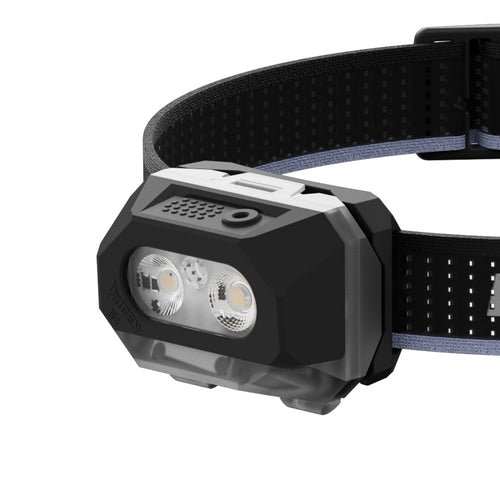
- Red light. Preserves night vision and is the norm for hunters. The X3 and WUBEN's H4 headlamp both have it.
- Battery flexibility. A headlamp that also takes AAA cells, like the H4 (built-in 1700mAh or 3 x AAA), keeps working on a long trip.
Red flag: a headline price far below the light's real cost. On some flashlight stores, the cheapest variant or bundle sets the price you see in search results, so check the exact item in your cart.
2. Knives: steel, lock, and the law
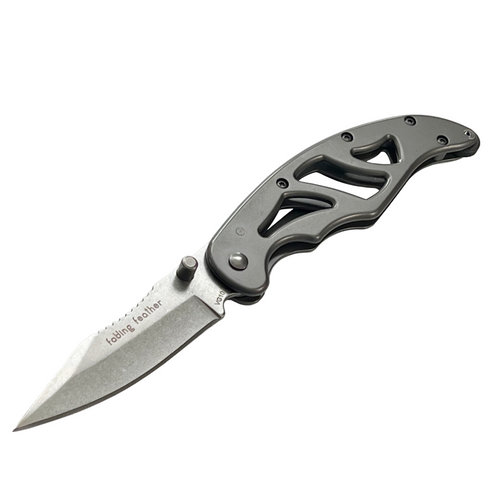
A good camp or EDC knife names its blade steel. VG-10 and D2 are solid mid-range choices that hold an edge; 3Cr13MoV is a budget steel that dulls faster. Next, look at the lock on folders (frame locks are strong and simple), blade length, and whether a fixed blade comes with a usable sheath. For camp tasks, a 2.5 to 3.5 inch blade does nearly everything; you do not need a large tactical blade to cut cord or slice food.
Check your state and city knife laws before you buy. Automatic knives, daggers and some fixed-blade carry are restricted in many places.
The biggest red flag in this category is a famous model name at a fraction of its usual price. If a listing uses another maker's model number and the store does not claim to be an authorized dealer, treat it as an unofficial lookalike.
3. Fire: carry more than one way
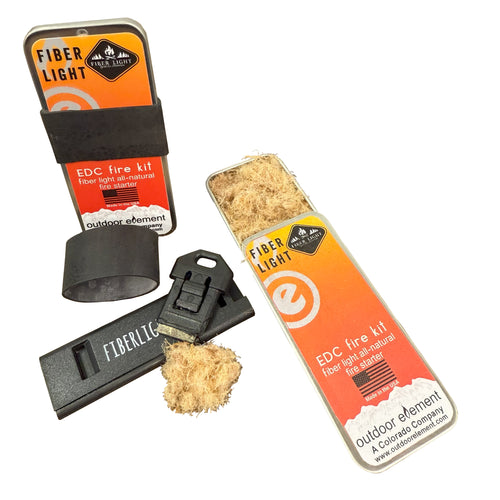
A ferro rod works wet, cold and at altitude, where lighters struggle. What decides whether it actually lights a fire is dry tinder, so a kit that stores tinder is worth more than a bigger rod. Ferro rods also take practice, so try yours at home before you rely on it. Outdoor Element builds this idea into most of its line: the $27.95 Fire Flute combines a 120 dB whistle, a replaceable 3/8 inch ferro rod and tinder storage, and the $9.95 Fiber Light kit is rated for about five fires.
4. Sleep and shelter: read the rating carefully
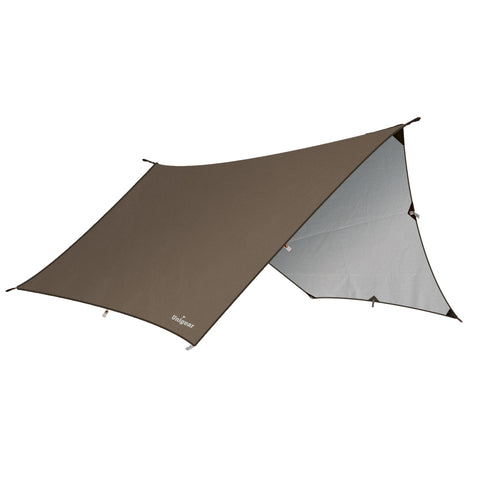
A sleeping bag's temperature rating is only useful if you know whether it is a comfort rating or a lower limit. Many budget listings do not say. Unigear's Camfy bags are rated 50°F but do not specify which, so plan to use them on nights well above 50°F. For pads, look for an R-value; without one, you cannot judge how well it blocks cold ground. For tarps, look for a hydrostatic rating (Unigear's hex tarp lists 2000mm) and real dimensions, and do the area math yourself: a 138 x 114 inch tarp is about 109 square feet, not 200.
5. Hunting and range accessories: compatibility first
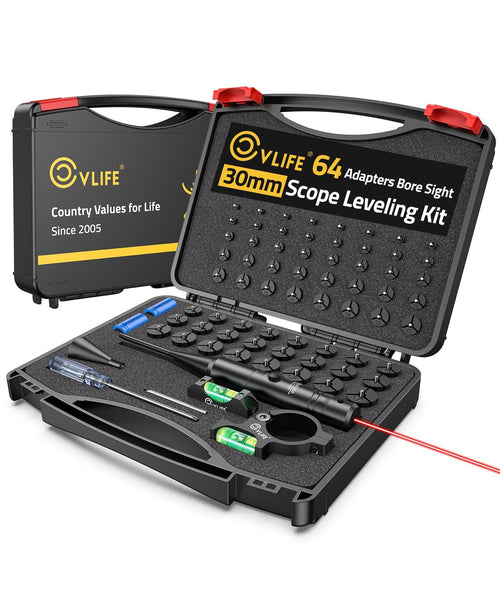
Before price, confirm fit. Scope rings come in 1 inch and 30mm tubes and several heights. Pistol dots use footprints like RMR or RMSc. Bipods attach by sling stud, Picatinny or M-LOK. CVLIFE's listings are specific about these details, which is the main reason it scores well. On scopes, a second focal plane reticle means holdover marks are only correct at one magnification, and budget glass is fine for rimfire and casual hunting but not for duty or long-range precision. A bore sighter gets you on paper but does not replace a live-fire zero.
Budget tiers that make sense
| Budget | What you can expect |
|---|---|
| Under $25 | Keyring light, headlamp, fire kit, dry bag, cleaning kit, cup |
| $25 to $70 | Quality EDC light, VG-10 or D2 folder, hydration pack, bore sighter, warm-weather sleeping bag |
| $70 to $160 | Fixed-blade hunting knife, bipod, mid-range scope, ski or gear travel bags |
| $160+ | Pistol dot sights, premium spotlights; compare warranties closely here |
Policy checks before you pay
Gear gets used, and used gear usually cannot be returned. So read the policies first:
- Sale items: WUBEN, GELSHADOW and Outdoor Element do not refund sale items, and Outdoor Element ships FOB Origin, meaning transit loss is on you unless you buy its shipment protection.
- Warranty: WUBEN gives 1 year on lights and batteries and 5 years of free repair if you register. CVLIFE publishes no warranty terms.
- Return shipping: Expect to pay it on change-of-mind returns. WUBEN, CVLIFE and Unigear say so outright, and GELSHADOW returns go to Hong Kong.
- Unigear extends returns to 60 days on its own-brand items, the longest window here.
Where the five brands fit
- WUBEN (6.8): small rechargeable lights with real specs. Register for the 5-year repair warranty.
- Outdoor Element (6.8): fire-first knives and multitools from Colorado; knife listings name the steel.
- CVLIFE (7.6): the highest-scoring brand in this group, for budget optics, bipods, bore sighters and range bags with clear fitment details. No firearms sold.
- Unigear (6.7): inexpensive dry bags, tarps, hydration packs and ski bags. Some listings show a compare-at price below the selling price, so ignore those badges.
- GELSHADOW (4.8): we do not recommend it. Many listings borrow premium knife brands' names and model numbers, its shipping policy says packages are declared as fruit knives for customs, and returns go to Hong Kong. If you want a specific name-brand knife, buy from an authorized dealer.