The problem with smart and security gear
This category mixes very different products: wall switches, GPS trackers, camera bird feeders, Faraday bags and two-way radios. What they share is that the sticker price rarely tells you the full story. Compatibility, subscriptions, certifications and licensing decide whether a device works and what it really costs. Run through these seven checks before buying anything here.
1. Choose your ecosystem before your device
Smart-home devices talk over different radios, and buying the wrong one means it never shows up in your app.
| Protocol | Needs a hub? | Good for | Watch out for |
|---|---|---|---|
| Wi-Fi | No | Plugs, switches, cameras near the router | Usually 2.4GHz only; many devices crowd your network |
| Zigbee | Yes, a Zigbee gateway | Sensors, buttons, lots of low-power devices | Hub brand ties you to its app |
| Thread | Yes, a Thread border router | Battery devices like blind motors | Border router is often an Apple TV, HomePod or similar |
| Matter | Depends on transport | Working across Apple Home, Google Home, Alexa and SmartThings | Still check whether it runs over Wi-Fi or Thread |
Matter is the most future-proof label, because one device can join several platforms. If you already run a Tuya or Smart Life setup, Zigbee devices with a compatible gateway are usually the cheapest way to add sensors and buttons.
2. Check the wiring before buying switches
Most smart wall switches need a neutral wire in the switch box, and many older US homes don't have one there. Also check:
- US or EU version. They aren't interchangeable, and ordering the wrong one is often not a free return.
- Load rating. A switch rated 10A total across four gangs can't run 10A on each circuit at once.
- Dimming. A plain on/off switch won't dim, and dimmers have their own wattage limit.
If you aren't comfortable with mains wiring, hire an electrician.
3. Add up the subscription before comparing prices
Cheap hardware often assumes a paid plan.
- Cellular GPS trackers need a data plan because they carry their own SIM. A $9.21 tracker with a plan from $9.95 a month costs about $130 in its first year.
- Camera devices may put features like AI identification or cloud video behind a subscription after a free trial.
Compare the device plus 12 months of service, and look for bundles that include service up front.
4. For safety alarms, look for certification and placement
Carbon monoxide and smoke alarms are life-safety devices. In the US, look for listings that name UL 2034 (CO) or UL 217 (smoke) certification, and check local code before relying on any alarm as your primary one. Smoke rises, so a plug-in unit at outlet height detects smoke later than a ceiling-mounted alarm. A plug-in CO alarm is a reasonable supplement near bedrooms and gas appliances, not a replacement for code-required ceiling smoke alarms.
5. Know what a GPS tracker can and can't do
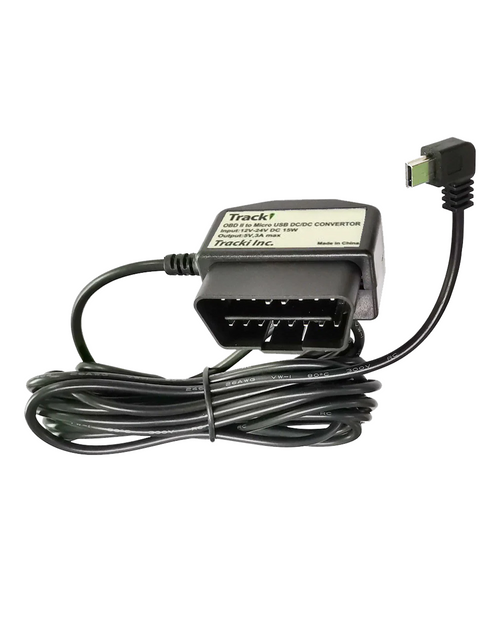
Cellular trackers report location on their own wherever there is coverage, unlike Bluetooth tags that depend on nearby phones. Accuracy is typically quoted in tens of feet outdoors. Battery life depends on how often the device reports, so plan on wired power (an OBD-II cable or hardwire kit) for vehicles you track continuously.
Only track property you own or are authorized to track, and get consent before tracking another adult. Laws vary by state and country.
6. For Faraday bags, read the attenuation and frequency range
A Faraday bag blocks wireless signals so a phone, key fob or laptop can't send or receive. Cheap pouches rarely publish test data. Look for:
- Attenuation in dB. Higher is better; professional gear lists figures like 90+ dB.
- Frequency range. It should cover cellular (including 5G), Wi-Fi, Bluetooth, GPS and RFID, typically stated as low MHz up to around 40 GHz.
- Test standards such as MIL-STD-188-125 or IEEE 299.
Test it yourself: seal your phone inside and call it. Do this within any guarantee period.
7. For two-way radios, check licensing first
In the US, FRS radios need no license, but GMRS radios require an FCC license, amateur (ham) radio requires an FCC license and exam, and business radios usually need licensed frequencies. Radios may also need programming for channels, tones and repeaters. A specialist dealer can help with both, so ask whether programming is included before you order.
Where the brands we reviewed fit
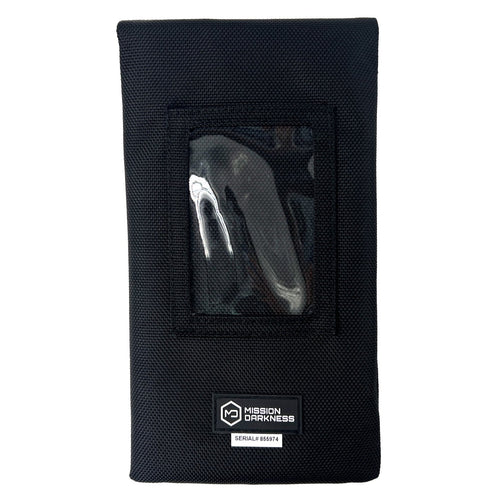
MOS Equipment (Mission Darkness) is our top pick here, with the clearest specs and guarantees in this group. Its Faraday phone sleeve starts at $20 with two layers of TitanRF fabric rated from low MHz to 40 GHz, and its professional sack lists 90+ dB average attenuation. Returns run 30 days on unused items, Faraday bags carry a 90-day shielding guarantee, and most products have a 12-month warranty. Opened fabric and tape are final sale.
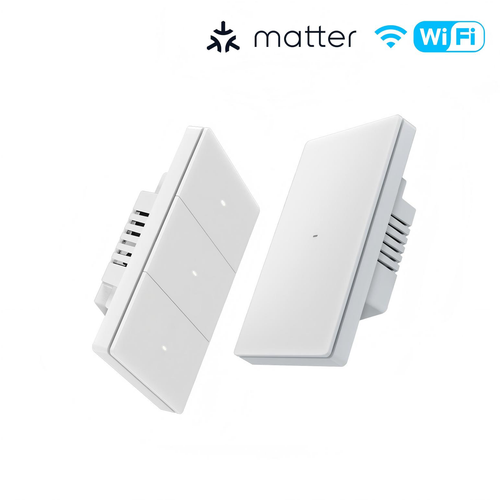
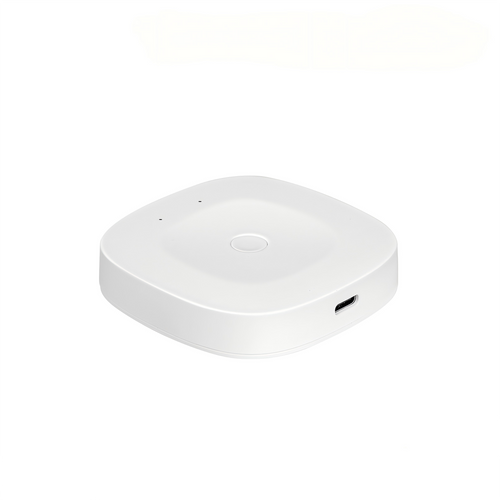
MOES sells about 259 Tuya, Zigbee and Matter devices with a median price near $28. The Star Grand Matter switch is $35.99 and needs a neutral wire; the Zigbee gateway is $27.99 and supports up to 128 devices. Most orders ship from China in 7 to 21 business days, and change-of-mind returns aren't accepted. Its plug-in alarms are non-smart and their listings don't name a certification standard, so treat them as supplements.
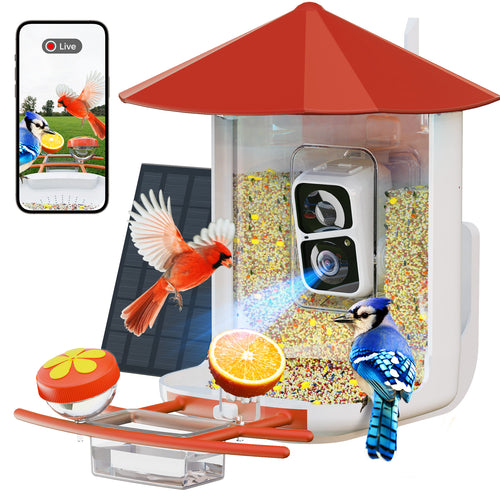
PerchMe makes solar camera bird feeders from $79.99 with AI species identification, a 160-degree lens and an IP65 rating, backed by a 90-day return window and a 2-year warranty. Some listings note AI identification is a one-month trial followed by a subscription, and the cameras need 2.4GHz Wi-Fi at the feeder.
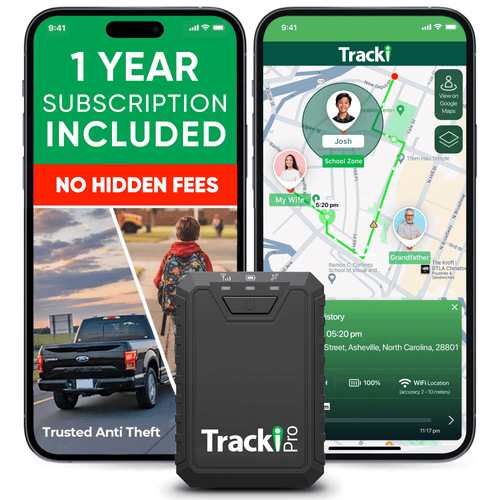
Tracki sells small cellular GPS trackers with an international SIM. Devices start under $20, but a plan is required. The Tracki Pro with 12 months of service is $136.23, and the 2-year bundle is $172.68, the lowest effective monthly cost. Returns deduct up to $35 per item in shipping and handling.
BridgeCom Systems is a two-way radio specialist for business, ham and GMRS buyers. We couldn't read its catalog or policies, so email to confirm the return window, warranty handling and programming support before ordering.