What you're actually buying
"Superfoods" and "functional teas" cover a loose mix of products: grass juice powders, algae like chlorella, matcha, mushroom tinctures and teas, fruit powders and herbal extracts. In the US most are sold as foods or dietary supplements, which means nobody reviews them for effectiveness before they reach the shelf. The label is your main tool, and the brand's willingness to show its work is the best signal of quality.
This guide covers what to look for on the label, how to compare prices fairly, which claims to ignore, and where the brands we reviewed fit.
Step 1: Decide which format suits you
| Format | Typical use | Pros | Watch for |
|---|---|---|---|
| Grass juice powder (barley, wheatgrass) | Stirred into water or smoothies | Simple, single ingredient | No fiber; strong taste; vitamin K content |
| Algae powder or tabs (chlorella) | Daily add-on | Tabs avoid the taste | Small bags; vitamin K content |
| Matcha | Lattes or whisked tea | Familiar, pleasant | Caffeine; "ceremonial" has no formal standard |
| Mushroom tinctures | Drops in water or tea | Concentrated, long shelf life | Alcohol from extraction; dose and ratio often missing |
| Herbal extracts | Drops | Single herbs are easy to research | Condition-named blends; drug interactions |
| Functional tea blends | Brewed daily | Easy habit | Laxative herbs like senna in "detox" teas; caffeine |
Step 2: Read the label like a skeptic
Single ingredient or blend? A single ingredient with a named source ("young barley grass juice powder, US-grown") is easier to judge than a proprietary blend that hides amounts.
Juice powder or whole leaf? Juice powders remove the fiber. That makes them smoother and more concentrated, but if you want fiber, choose a whole-leaf powder.
For mushrooms, three questions:
- Which species? Lion's mane, reishi, turkey tail and cordyceps are the common ones.
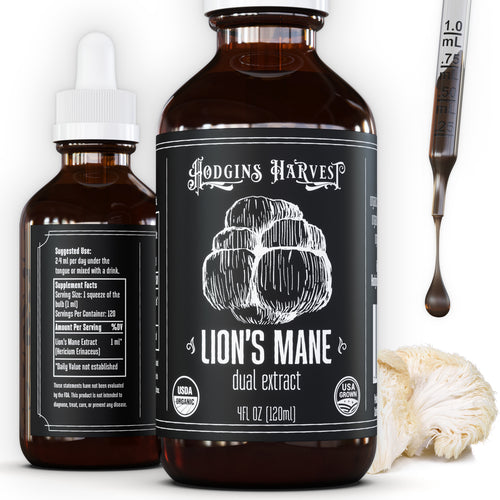
- Fruiting body or mycelium? Fruiting body is the mushroom itself. Mycelium grown on grain can carry a lot of grain filler, which is why some brands advertise "100% fruiting body, no grain fillers."
- How was it extracted? Dual extraction uses both hot water and alcohol. Expect alcohol in the finished tincture.
Serving size and servings per container. If a listing gives neither, you can't compare value. Ask before buying.
Testing. Greens and algae can pick up heavy metals from soil and water. Brands that share third-party lab results or certificates of analysis are giving you something real. Organic certification (with the certifier named, such as QAI) is a useful but separate check.
Step 3: Compare on price per serving
Sticker prices mislead in this category because bag sizes vary so much. Two examples from our product reviews:
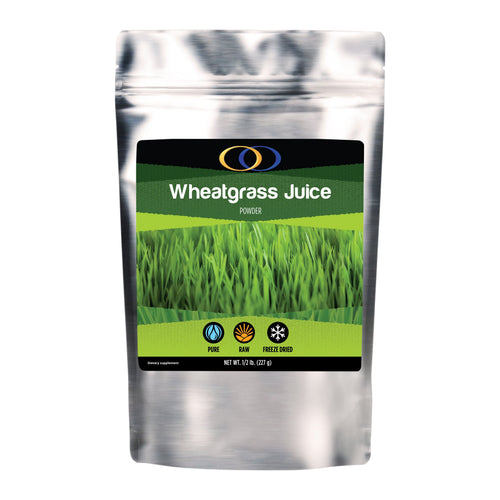
- A half-pound wheatgrass juice powder at $39.95 with about 130 servings works out to roughly $0.31 per serving.
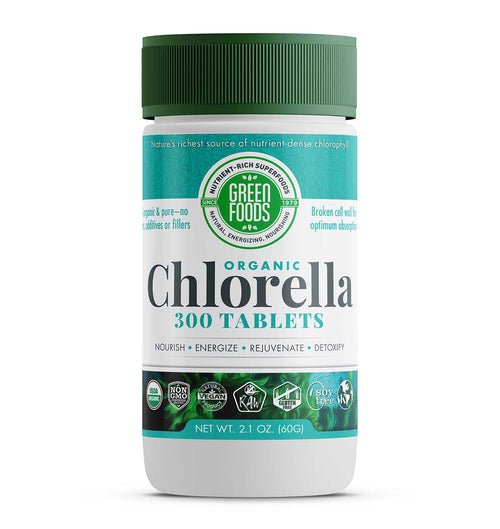
- A 2.1 oz chlorella pouch at $18.99 looks cheap but doesn't state servings, so you can't compare it until you ask.
Also compare powder against tablets of the same product. Tablets cost more per gram but save you the taste.
Step 4: Ignore these claims
Be wary of any listing that promises to:
- Detox heavy metals or radiation
- Burn fat or cause weight loss
- Cure, treat or prevent a named disease
- Replace prescribed vitamins or medication
Condition-named products ("Prostate Relief," "Candida Cleanse") deserve extra scrutiny. Brand nutrient comparisons ("more iron than spinach") without lab data are marketing.
Step 5: Check safety for your situation
Talk to your doctor before adding concentrated supplements, especially if you:
- Take blood thinners. Barley grass, wheatgrass and chlorella are rich in vitamin K, and ginkgo and pau d'arco may interact with them.
- Are pregnant or nursing.
- Have kidney issues, or allergies to bee products, mushrooms or nuts.
- Are sensitive to caffeine (matcha and many tea blends) or alcohol (most tinctures).
Step 6: Read the return policy before you open anything
Food and supplement stores are strict. Perishables often can't be returned, opened products almost never can, and some stores make every sale final. Start with the smallest size, and avoid bundles and subscriptions until you know you like a product.
Where the brands we reviewed fit
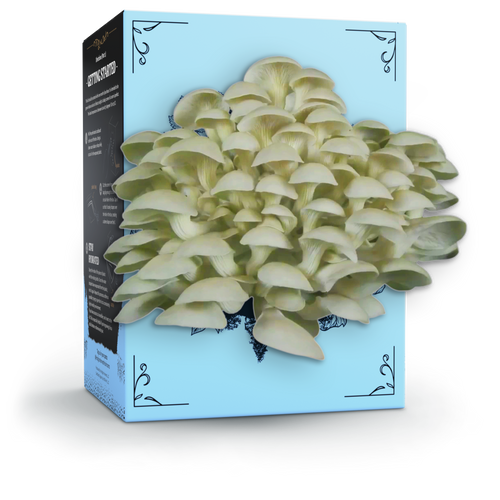
Hodgins Harvest, our strongest pick in this group, is a certified organic mushroom farm in New York that grows the mushrooms in its tinctures. Single dual-extract tinctures are $24 for 2 oz, made from 100% fruiting bodies. Its organic grow kits ($27, or $67 for three) can produce up to 2 pounds of oyster or lion's mane at home. Perishables and sale items can't be returned; shipping is free on US orders over $100.
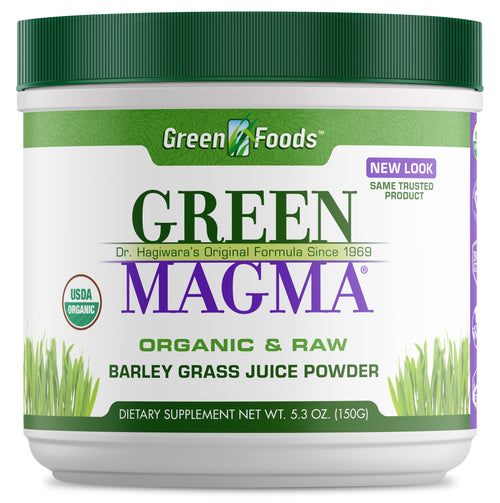
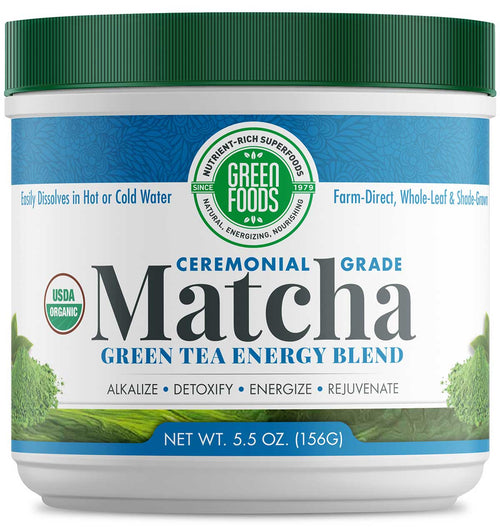
Green Foods has sold greens since 1979. Its Organic Green Magma barley grass juice powder starts at $17.62 and is QAI certified organic; chlorella powder or tabs are $18.99 and ceremonial-grade Japanese matcha starts at $19.99. Prices are low, but no shipping policy is published and the refund template excludes perishable food, so call its toll-free line before ordering in bulk.
Optimally Organic sells freeze-dried grass juice powders, fulvic minerals and herbal extracts from a family-held company with phone support. Its half-pound wheatgrass juice powder ($39.95) is a straightforward product. The caution is strong: all sales are final, delivery can take weeks, and several extracts carry condition names and detox or weight-loss claims that aren't established.
Not recommended right now: Bootea showed a "store unavailable" page; Packed with Life and Mycostime had no catalog, ingredients or policies we could read. Wait until each publishes full labels and a written return policy.