Start with how you'll wear it
A watch for a desk job, a beach week and a mechanical hobby are three different purchases. Before comparing brands, decide three things: what you'll do while wearing it, how big your wrist is, and whether you care what's inside. Then use the spec sheet. A good listing tells you everything below; a listing that hides it is telling you something too.
1. Pick the movement type
| Movement | How it runs | Pros | Cons |
|---|---|---|---|
| Quartz | Battery and crystal oscillator | Most accurate, cheapest, grab-and-go | Battery changes every few years |
| Automatic | Wound by a rotor as you move | No battery, visible mechanics | Stops if unworn for a day or two; less accurate than quartz |
| Hand-wound | Wound by the crown | Thin, traditional | Needs winding every day or two |
Named calibers are a good sign. Seiko and Miyota (Citizen) movements are workhorses with easy servicing. The Seiko NH35 and NH36 are especially common, which matters if you ever mod or repair the watch. Ronda makes Swiss quartz movements. Less common calibers can be perfectly fine but may be harder to service later.
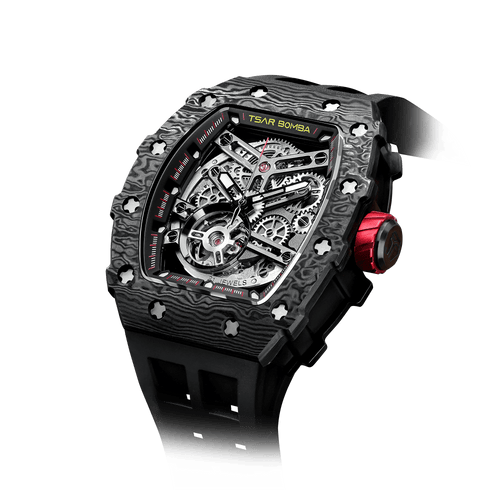
If a listing says "Japanese automatic" without naming the caliber, ask. If it claims a tourbillon at a few hundred dollars, ask whether it is a functioning tourbillon or a visible balance wheel. Real tourbillons are rare at that price.
2. Get the size right
Diameter alone is misleading. Three numbers matter:
- Case diameter. 36 to 40mm suits most wrists; 42mm and up wears large.
- Lug-to-lug. The distance from the tip of the top lugs to the bottom lugs. If it is wider than your wrist's flat top, the watch will overhang. Around 47 to 49mm fits an average wrist.
- Thickness. Under 10mm slips under a cuff; 13mm and up sits tall.
Tonneau (barrel-shaped) and oversized skeleton cases often wear bigger than their numbers suggest. If a listing doesn't give dimensions, assume it is large and ask.
3. Check the crystal and case material
- Sapphire crystal resists scratches far better than mineral glass. It is now available on many sub-$200 watches, so expect it.
- Anti-reflective coating helps legibility; inner-side AR is more durable, and blue AR shows a tint at angles.
- 316L stainless steel is the standard. Titanium is lighter and hypoallergenic but scratches more easily unless coated.
- Carbon fiber and ceramic bezels add style and scratch resistance at a price.
4. Read water resistance correctly
The number on the dial is a lab pressure rating, not a safe diving depth.
- 3 ATM / 30m: splashes and hand washing only.
- 5 ATM / 50m: rain and brief swimming at most; avoid diving.
- 10 ATM / 100m: swimming and snorkeling.
- 20 ATM / 200m: recreational diving, ideally with a screw-down crown. A true dive watch is certified to ISO 6425.
If a listing gives two different ratings, confirm before you swim. After any case-opening repair or mod, water resistance depends on proper reassembly and pressure testing.
5. Plan for straps
Lug width (commonly 20mm or 22mm) decides which straps fit. Some brands use proprietary quick-swap systems, which are convenient but lock you into their own straps at their prices. Standard lug widths open up NATO, leather, rubber and bracelet options from any maker.
6. Budget by tier
- Under $100: quartz dress watches with sapphire are possible.
- $150 to $300: the microbrand sweet spot, with named automatic movements, sapphire, 100m ratings and sometimes titanium.
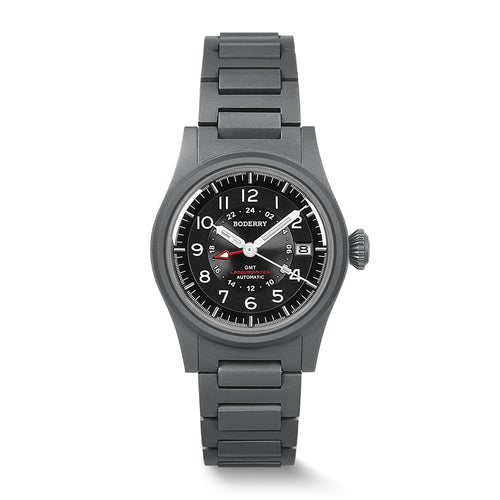
- $400 to $750: fashion-led skeleton and interchangeable designs, or GMT complications. At this price you're also competing with established Japanese and Swiss entry-level brands, so compare specs closely.
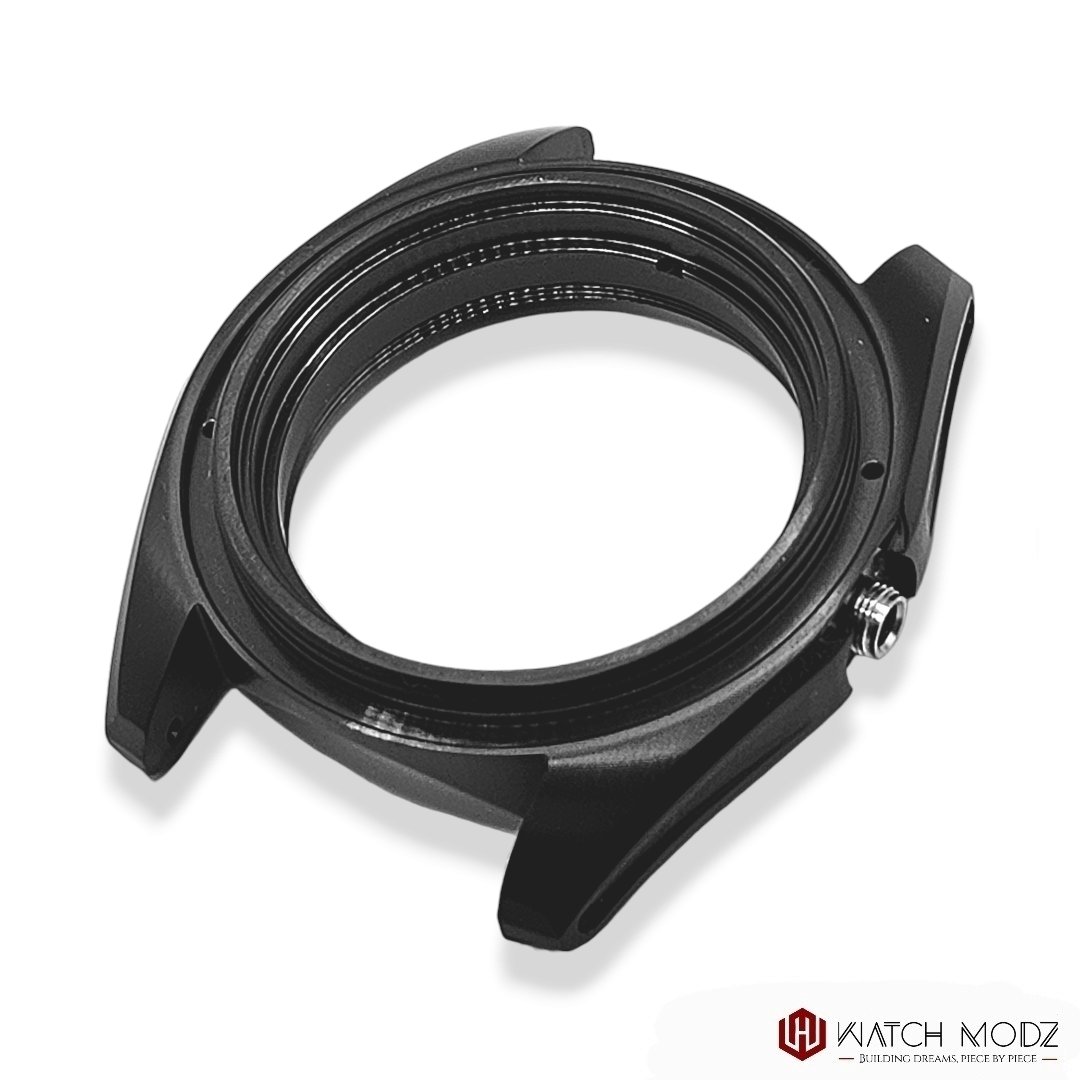
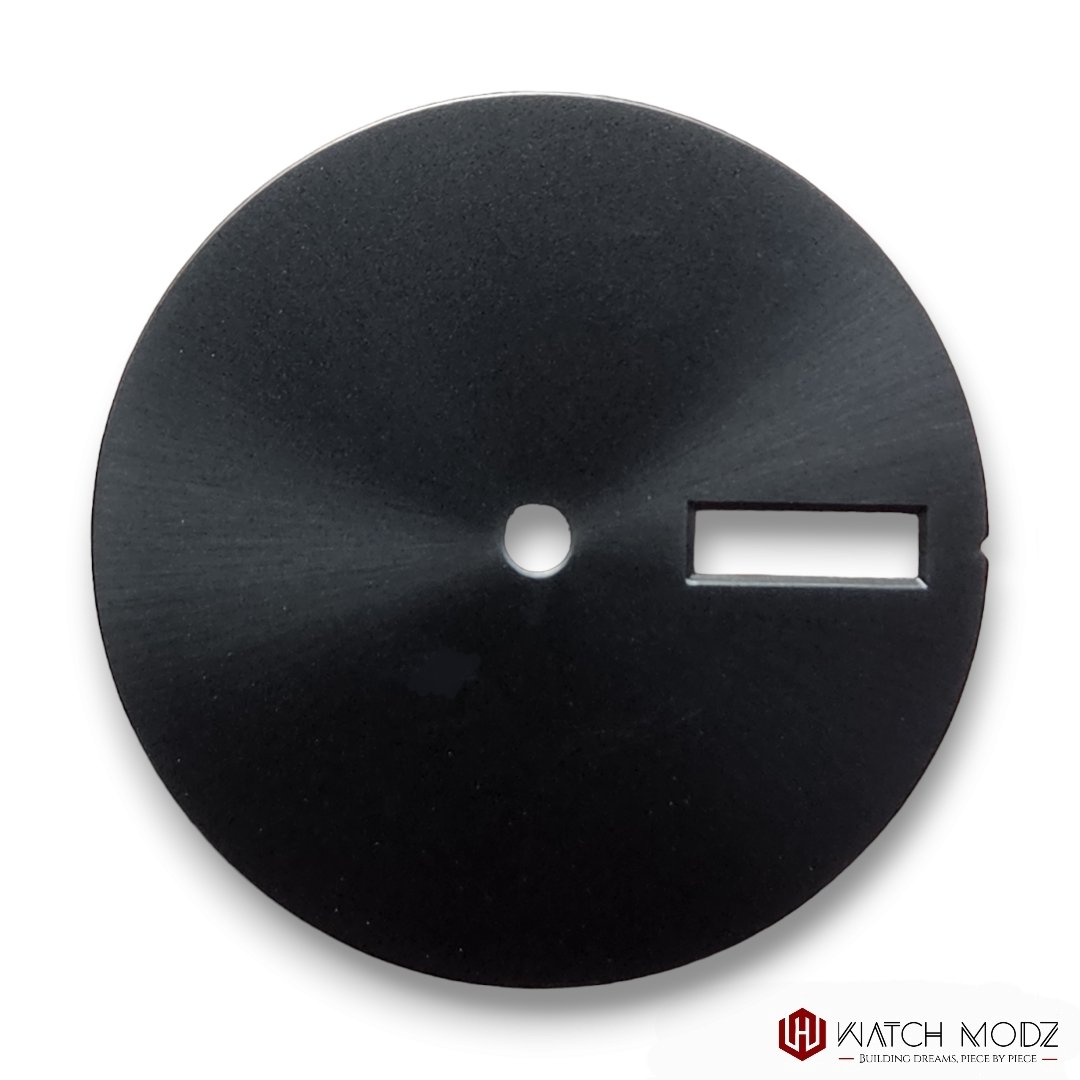
- Watch modding: at Watch-Modz prices, a case ($69.99), dial ($19.99), hands ($25.99), sapphire crystal ($46.99) and rubber strap ($39.99) come to about $200 before the movement, bezel and any watchmaker fees.
7. Read the return policy first
Watch returns are strict. Many stores require the watch unworn, protective films intact and the full box and warranty card. Return windows range from 8 days to 30, and you usually pay return shipping. Parts stores require parts to be unused, so don't test-fit something you might return.
If you're buying watch parts
Modding means building a watch from compatible parts, usually on the Seiko SKX007 case format with NH35 or NH36 movements.
- Match every part to your movement (NH35/NH36 vs NH38 no-date) and case format.
- Check dial diameter (28.5mm is common) and date window position.
- Crystals need the right gasket; SKX and Seiko 5 SRPD gaskets differ.
- Use a watchmaker if you're new. Pressing hands and crystals needs tools.
Where the brands we reviewed fit
Watch-Modz is our top-ranked watch brand, a US parts store with 537 parts at a $29.99 median: SKX007-compatible cases from $69.99, sterile dials from $19.99, sapphire crystals to $46.99 and NH-family movements. It ships most orders the same day and accepts returns of unused parts within 30 days, with you paying return shipping. Its own FAQ recommends professional installation.
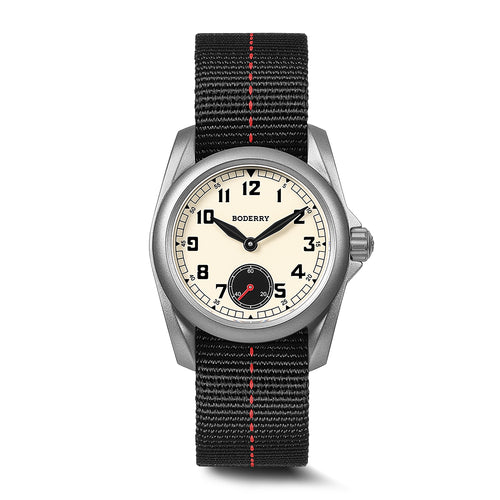
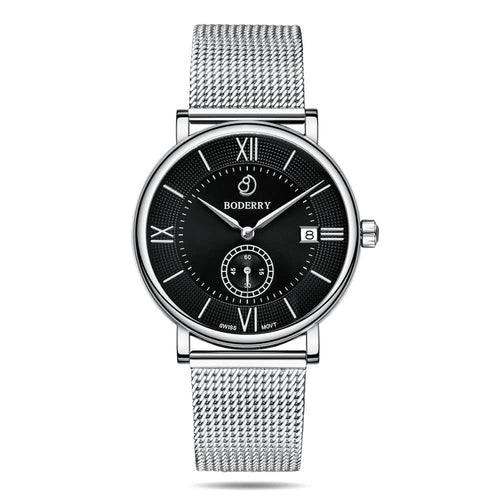
Boderry is the value pick for complete watches. The VOYAGER S72 is a 40mm titanium automatic with sapphire, 100m resistance and a 72-hour power reserve for $149, and the ELEGANT is an 8mm Ronda quartz dress watch for $76. The big caution is the return window: 8 days, with protective film intact.
Tsar Bomba ranks third of the three. It sells bold skeleton and interchangeable-bezel designs, many on Citizen Miyota automatics with sapphire. It offers 30-day returns and a 2-year warranty, but at a $489.99 median you pay mostly for design, and only one free return or exchange is included.