Start with the craft, then the budget
Resin art, rug tufting and home sewing all look cheap from the outside and get expensive once you add the gear. The fastest way to avoid wasted money is to know which purchases are consumables (resin, yarn, fabric), which are tools you buy once (lamps, tufting guns, frames), and which can't be returned once opened. That last group is bigger than most beginners expect.
Here is what a realistic first setup costs, using prices from the stores we have reviewed:
| Craft | Entry setup | What it buys | Step-up spend |
|---|---|---|---|
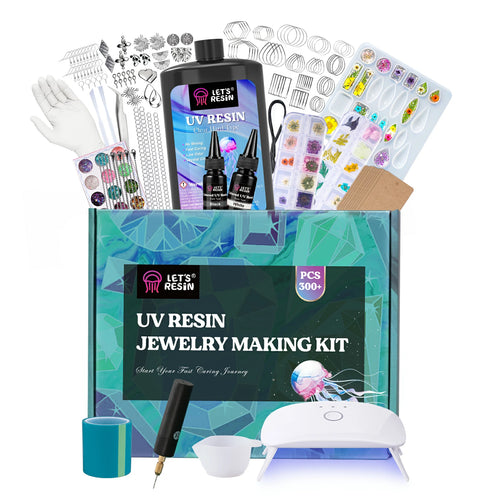
| UV resin jewelry | About $25 to $46 | 500g of UV resin, or an all-in-one kit with lamp and molds | Extra molds at $10 to $16 each |
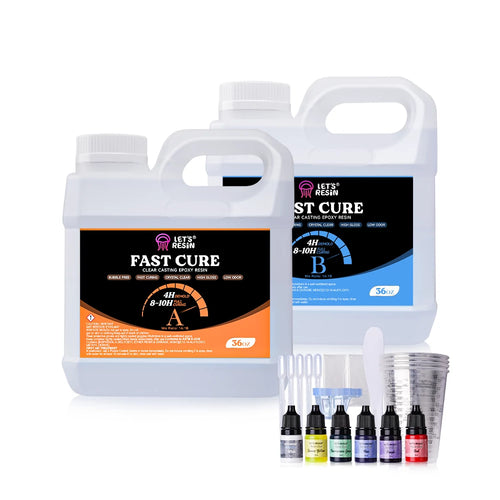
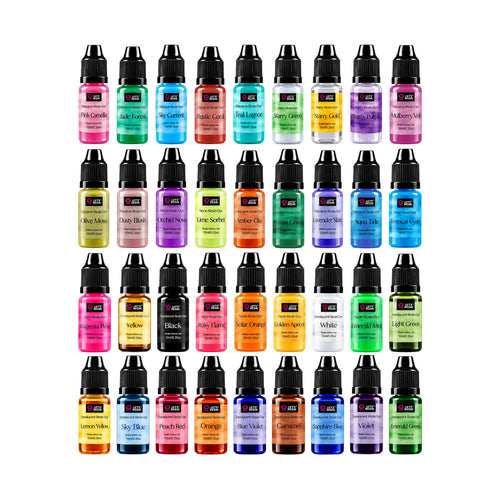
| Epoxy resin (coasters, trays) | About $40 to $62 | A 72oz 1:1 epoxy kit plus a $21.99 dye set | Vacuum degassing chamber, about $160 |
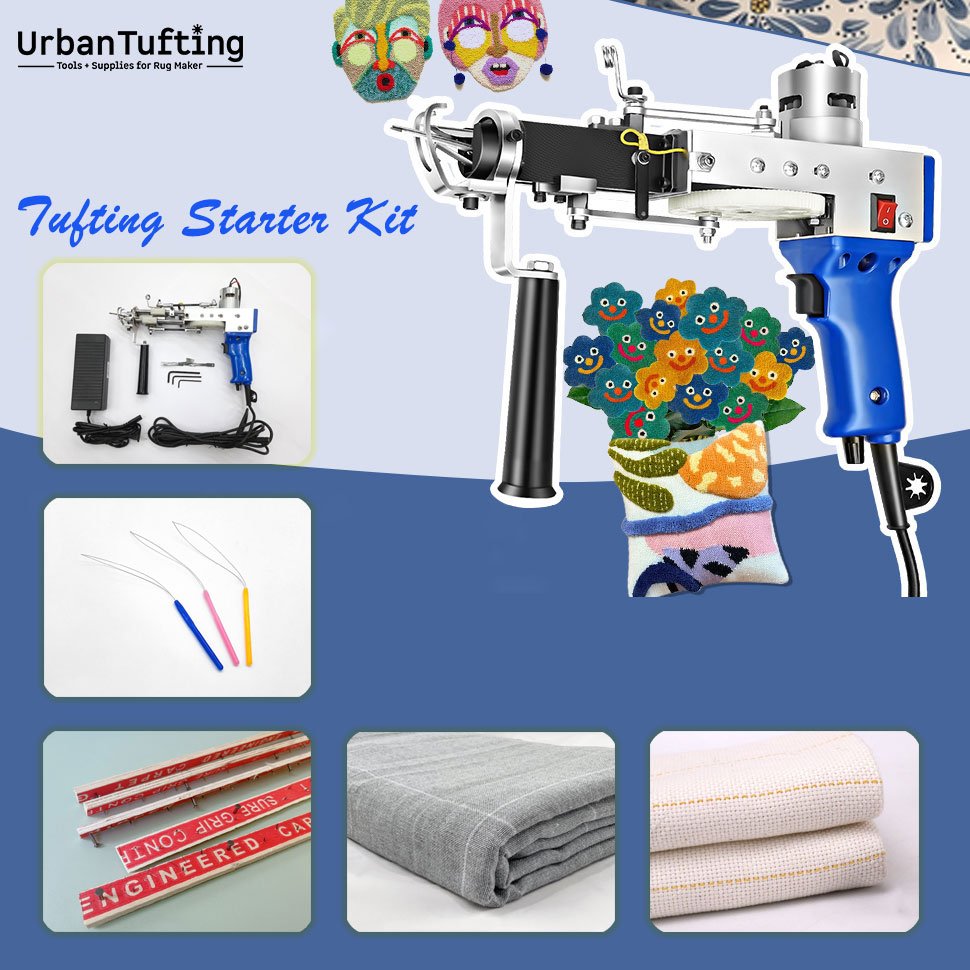
| Rug tufting | About $290 to $440 | Starter kit with gun, cloth, frame strips and 3 yarns, or gun plus frame | Extra yarn at $21.95 per 400g cone |
| Sewing from PDF patterns | Price of one pattern plus fabric | Instant download, printed at home | Pattern bundles and weekly sales |
Choosing resin: epoxy or UV
This is the first decision, and it decides most of your other purchases.
UV resin cures under a UV lamp or sunlight with no measuring or mixing. It suits jewelry, charms, keychains, doming and quick repairs. It does not suit thick or large pieces, because light has to reach through the whole layer. Budget for a lamp if your kit doesn't include one.
Epoxy resin is a two-part system mixed by ratio, usually 1:1 by volume for craft kits. It suits coasters, trays, larger castings and anything thicker than a pendant. Pay attention to three numbers on the listing:
- Mix ratio. 1:1 is the most forgiving for beginners.
- Set or cure time. Fast-curing formulas (around 4 to 10 hours) give you less working time and are meant for shallow pours. Deep pours need a slower deep-pour resin.
- Cure temperature. Many kits list an ideal range, such as 75 to 85 F. A cold garage is a common reason for sticky or cloudy results.
Also check mold volume. A mold that lists how much resin it takes (for example, about 4.4 fl. oz. per cavity) lets you mix the right amount instead of guessing.
Red flags in resin listings: no mix ratio, no cure time, no safety guidance, and compare-at prices that look unrealistic. Handle any resin with gloves and ventilation, whatever the brand.
Choosing rug tufting gear
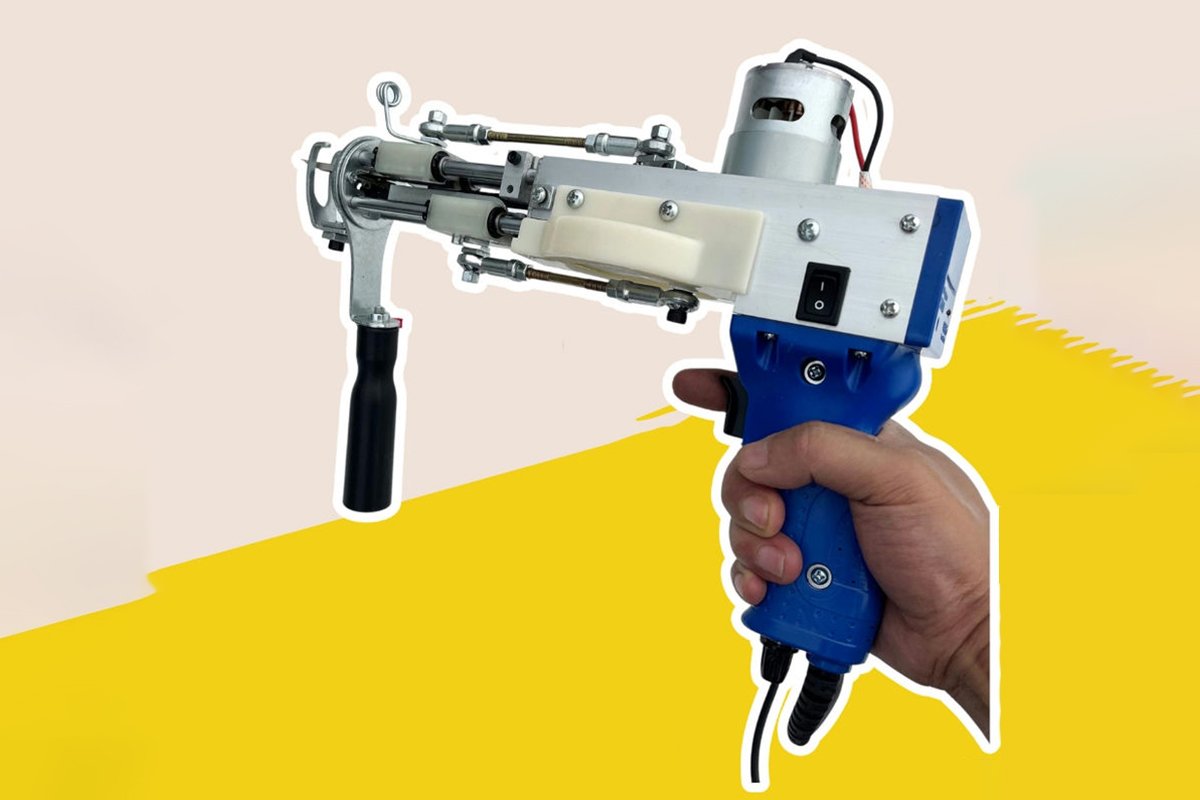
The tufting gun is the expensive and mechanical part, so it deserves the most scrutiny.
- Cut pile, loop pile, or both. Cut pile gives a plush surface; loop pile gives a textured, durable surface. A 2-in-1 gun handles both. Check how it switches: some toggle, others need a scissor swap.
- Pile height range. Listed in millimeters. A wider range, such as 7 to 21mm, gives more design options.
- Speed. Usually 5 to 40-something stitches per second. Beginners spend most of their time at the slow end.
- Voltage. 100 to 240V guns work on US and most international power with the right adapter.
- Spare parts by model. Needles and scissors wear out. Buy a gun from a seller that stocks replacements for that exact model.
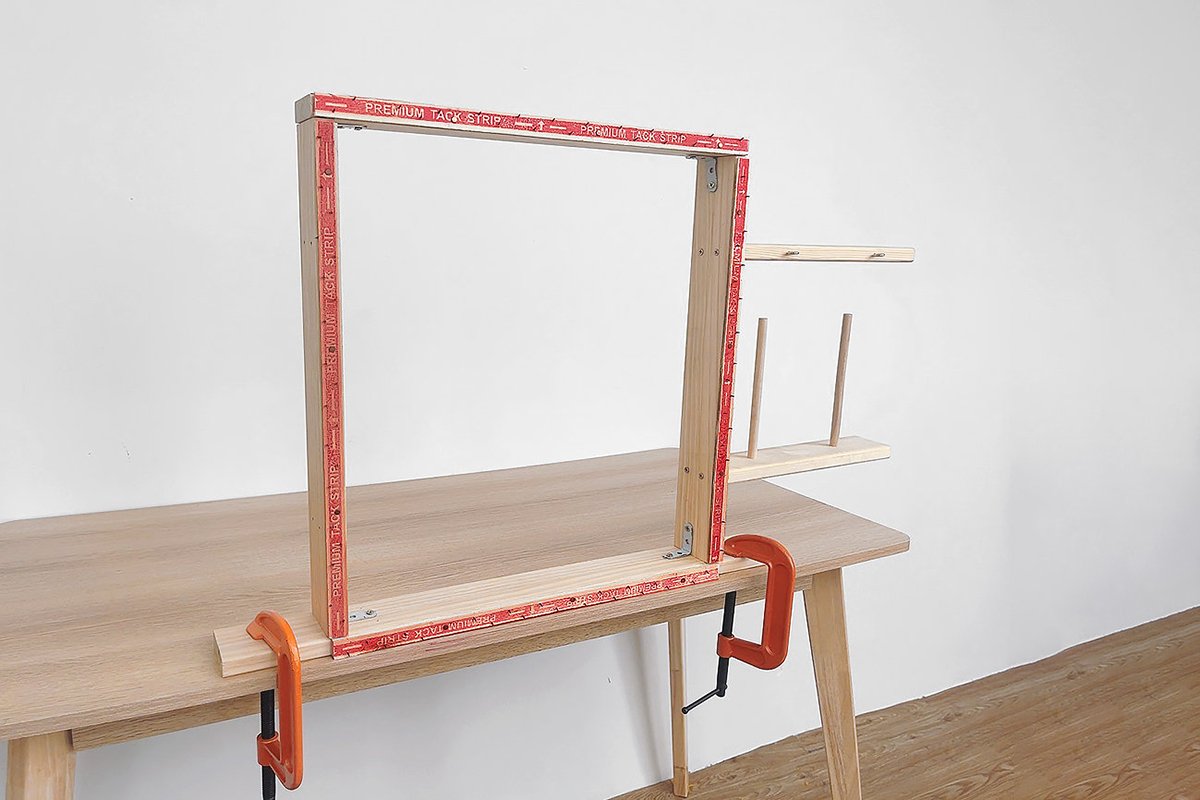
- Frame size. Desktop frames start around 50 x 50cm. Large frames need a big, stable table.
A starter kit usually beats buying piece by piece for your first rug, because it includes primary cloth with guidelines, backing cloth and yarn. Three cones of yarn will not finish most rugs, so plan on buying more.
Red flags for tufting stores: no visible return window, no warranty length for the gun, and no contact details. Get those in writing before spending $250 or more.
Choosing sewing patterns
PDF patterns have mostly replaced paper for indie designers. What separates a good pattern from a frustrating one:
- A size chart and yardage chart so you can buy the right amount of fabric before you start.
- Photo or illustrated step-by-step instructions, which matter far more for beginners than the pattern pieces themselves.
- Seam allowances included, stated clearly.
- A test square to confirm your printer is at 100% scale on US Letter or A4 before you print 30 pages.
- Selling terms, if you plan to sell finished pieces at craft fairs or online.
The big caution: digital patterns are almost never refundable. Measure the person you are sewing for and compare against the size chart before you buy.
Return policies matter more in crafts
Opened resin, pigments and yarn are commonly non-returnable, and custom or digital items almost never are. Before you check out, find the answers to four questions: How long is the return window? Must items be unopened? Who pays return shipping? Is there a warranty on lamps, machines and guns?
Where the brands we reviewed fit
Let's Resin is the strongest one-stop shop for US resin crafters. About 228 products with a $16.99 median price cover resin, molds, dyes, tools and degassing equipment, and continental US orders ship free over $30. Returns must be unopened and unused, and resin can't ship to Alaska, Hawaii or Puerto Rico. Eligible tools carry a 1-year warranty against manufacturing defects.
Urban Tufting covers everything a beginner rug tufter needs: guns from $258, a $289.99 starter kit that lists a 12-month warranty, frames from $139, model-specific spare needles and scissors, and 30 yarn colors. The catch is that its shipping, return and warranty pages showed no actual policy text when we checked. It is a reasonable place to buy if you get terms in writing first and pay by card.
Peek-a-Boo Pattern Shop is our pick for home sewists, especially parents sewing kids' clothes. It says it offers 400+ PDF patterns with photo tutorials, size and yardage charts and a test square, plus a weekly Thursday sale. Our product feed couldn't list individual patterns, so browse the shop for current prices, and remember patterns are non-refundable.
Zendo Crafts is the one to avoid for now. It is listed as a resin, tufting and sewing supplier, but its store showed as unavailable when we checked, with no products or policies. We don't recommend ordering until it is back online with published terms.
A simple buying order
- Pick one craft and one project.
- Buy a kit or starter bundle rather than separate pieces.
- Add one upgrade only after your first finished piece shows you what is missing.
- Keep receipts and order numbers for anything with a warranty.