The order that saves you money
Most home fitness regret comes from buying in the wrong order: picking a machine first, then discovering it does not fit the room, the floor, the budget or the return policy. Work through these seven checks in sequence and the shortlist mostly writes itself. ## 1. Name the goal and the user
Write down what you want the equipment to do and who will use it. - Cardio and steady fitness: a treadmill, bike or rower. - Strength: weights you can add to over time. - Kids' active play: a trampoline with an enclosure. - Recovery or add-on tools: massage guns, EMS devices, red light. Then note the heaviest user's weight and the tallest user's height. Weight capacity and deck length decisions depend on those two numbers. ## 2. Measure the space, including up
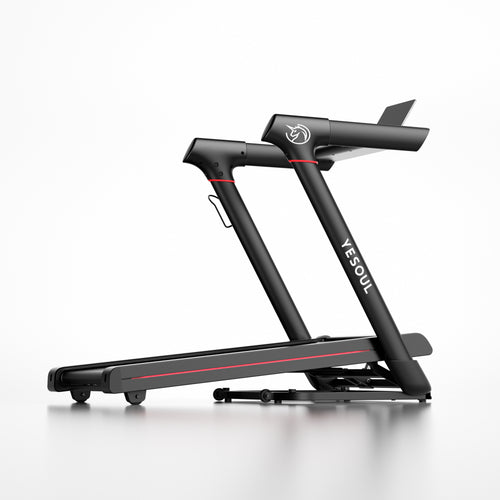
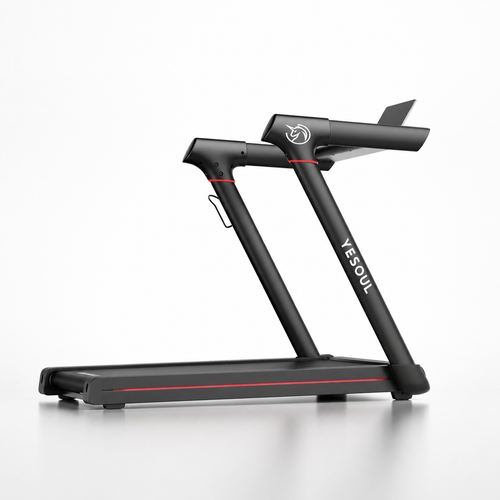
Measure floor area, ceiling height and clearance around the machine. A treadmill needs room behind it for safety; a trampoline needs level ground and clearance on every side; a pull-up tower needs headroom above the bar. If the space is shared, look for folding designs. YESOUL's T3S folds to about 0.8 square meters, and its T3S Pro has a hydraulic fold with wheels. ## 3. Learn the four specs that matter for each type
Treadmills
- Running surface: 47 x 18 inches suits walking and easy jogging; 20 x 60 inches gives runners more room (the YESOUL T5 Plus lists 20 x 60). - Top speed: 8.7 mph covers walking and jogging but limits sprint intervals; 12 mph or more is runner territory. - Incline: powered incline makes hill walking possible without changing settings by hand. 10% is common; the T5 Plus lists up to 30%. - Max user weight: 300 lb is typical for compact models; 350 lb on larger decks. Motor horsepower matters less than these four, but it should be stated consistently. YESOUL's T3S listings give both 3.0HP and 3.5HP, so confirm with support. Strength gear
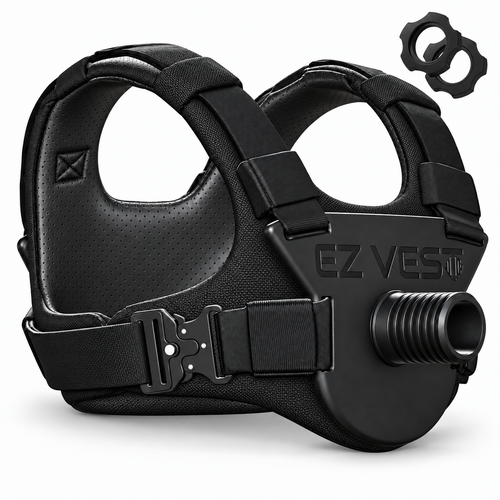
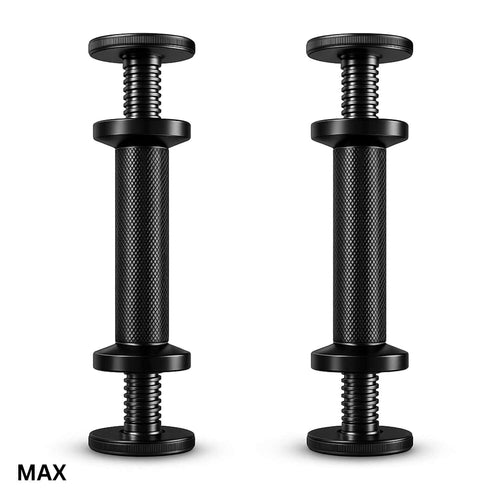
- Plate compatibility: plate-loaded tools are cheaper if you already own plates. Check bore size: standard plates have a 1-inch (about 28 mm) hole, Olympic plates 2 inches (50 mm). Kensui's AdaptaBELL fits both. - Load rating: the EZ-VEST comes in 80, 150 and 300 lb versions; the AdaptaBELL Pro is rated 140 lb per pair and the Max 300 lb. - Change time: plate-loaded dumbbells take longer to adjust than selector-style sets, which matters for fast circuit training. - Mounting: freestanding towers suit renters but can rock under kipping or very heavy weighted pull-ups. Trampolines
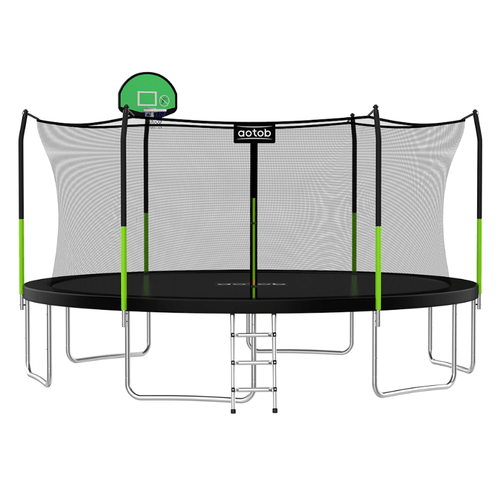
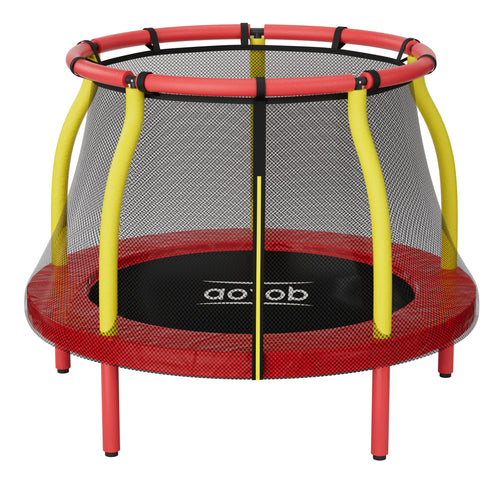
- Size vs yard: measure before choosing between round, oval and rectangular frames. Oval shapes fit long, narrow yards; rectangles give gymnasts a more controlled bounce. - Weight capacity: look for a per-jumper limit, not just a frame figure. A "1400 lbs" listing is likely a static frame number. - Enclosure: an inner, zero-gap net keeps kids from landing on springs. - Warranty and parts: frames should carry years, not months, of coverage, and replacement nets, mats and pads should be sold separately. EMS devices
EMS (electrical muscle stimulation) is an add-on, not a replacement for exercise or diet. Claims like "20 minutes equals 60 minutes of sit-ups" are marketing. People with pacemakers, implanted devices, heart conditions or epilepsy, and anyone pregnant, should not use EMS without a doctor's okay. ## 4. Set a realistic budget
| Tier | Typical spend | What you get |
|---|---|---|
| Starter | Under $100 | Plate-loaded dumbbells or kettlebell, gymnastic rings, an indoor kid's trampoline, one EMS wrap |
| Core | $100 to $500 | Folding treadmill, weighted vest, pull-up and dip station, a 12 to 14 ft backyard trampoline |
| Upgrade | $500 to $1,000 | Auto-incline treadmill, bike-plus-treadmill bundle, rectangular gymnast trampoline |
| Premium | $1,000+ | Large-deck treadmill with heart-rate features, three-machine home gym bundle |
Add delivery and assembly. YESOUL charges $299.99 for optional white glove setup on T5 machines, and Kensui calculates shipping by weight, which adds up on plates and bars. ## 5. Read the return policy before the spec sheet
Fitness equipment is bulky, so returns are expensive. Three red flags we see often:
- Restocking fees. YESOUL lets you cancel or return free only within 24 hours of ordering. After that, non-defective returns within 14 days of delivery cost return freight plus a $100 restocking fee. - Policies that contradict each other. Kensui's refund page describes a 100-day policy while its shipping policy says 14 days and store credit. APE BORN's refund page offers a 60-day trial while its shipping policy says 2 days and store credit. Get the terms for your item in writing from support before ordering. - Inflated compare-at prices. APE BORN shows a $869.99 reference price next to a $129.99 kit. Judge the sale price on its own. Also check delivery areas. YESOUL and Aotob do not deliver to Alaska, Hawaii, Puerto Rico, PO boxes or military addresses. ## 6. Check warranty length and parts availability
Long warranties and stocked parts are what keep equipment useful past year one. Aotob gives 5 years on frames and 3 on accessories and sells nets, mats, springs and pads. YESOUL advertises a 1-year warranty and sells replacement parts from $5 to $35. Kensui requires warranty claims within 90 days of receipt. ## 7. Confirm the store is open and reachable
A store that shows no products, policies or contact page is not ready for your money. When we checked Yogamu (3.8), its storefront displayed "This store is unavailable." Hold off until it publishes policies. ## Where the brands fit
- Aotob (7.1): budget backyard and indoor trampolines with free shipping, a 5-year frame warranty and replacement parts. Returns must be unused. - YESOUL (6.8): folding and auto-incline treadmills from $449.99 and bike-treadmill bundles, well below flagship connected-fitness prices. Mind the $100 restocking fee. - Kensui (6.8): plate-loaded vests, dumbbells, rings and towers for lifters who already own plates. Confirm return terms in writing. - APE BORN (6.5): gel-free EMS wraps from $99.99. Treat it as an add-on and check the conflicting return terms. - Yogamu (3.8): not recommended while the store is unavailable.