
Yes, they share a parent company (Alibaba Group), but no, they are not the same store: Alibaba.com is a wholesale marketplace where sellers set minimum order quantities, while AliExpress sells single items to regular shoppers with no minimum. If you want one phone stand or one pair of tweezers, you want AliExpress. If you want 500 branded tote bags, you want Alibaba.com.
This guide covers how each site works, how buying protection differs, what to expect on shipping and duties in 2026, and a simple way to use both if you are testing a product idea.
Alibaba vs AliExpress at a glance
| | Alibaba.com | AliExpress |
|---|---|---|
| Parent company | Alibaba Group | Alibaba Group |
| Business model | B2B wholesale | B2C retail marketplace |
| Minimum order | MOQ set by each seller, often 50 to 1,000+ units, sometimes negotiable | None, you can buy one item |
| Typical buyer | Resellers, brands, small businesses, anyone sourcing custom or private-label goods | Individual shoppers, hobbyists, people buying for themselves |
| Buyer protection | Trade Assurance on eligible orders | Buyer Protection (Money Back Guarantee) |
| Pricing | Quoted per unit, often tiered by quantity, frequently negotiated | Fixed listed price, with coupons and sales |
| Customization | Common (logos, packaging, specs) | Limited |
What Alibaba.com is built for
Alibaba.com is a place for businesses to buy from manufacturers and trading companies. Listings usually show a price range per unit that drops as the quantity rises, and each seller sets a minimum order quantity (MOQ). Our research found MOQs commonly run from 50 to well over 1,000 units, and many sellers will negotiate. You often message the supplier first, agree on a quote, and then order.
That model makes sense when you need custom work: your logo, your packaging, a tweaked spec, or a private-label version of a product. It does not make sense for personal use. Buying a handful of units to see if you like a product is rarely what the site is designed around, and some suppliers may not bother quoting a tiny order.
Protection works differently too. Alibaba.com offers Trade Assurance on eligible orders, which is aimed at business purchases and depends on how the order is placed and paid. Read what applies to your specific order before you send money, because coverage is not automatic for every listing.
What AliExpress is built for
AliExpress is a retail marketplace launched in 2010 and owned by Alibaba Group. It does not hold its own stock. Mostly small businesses and individual merchants, many in China, list single items and ship them to shoppers worldwide, including the United States. There is no minimum order, prices are fixed and listed up front, and the checkout works like any other online store. Our AliExpress review covers the marketplace in more detail.
Buyer Protection is the safety net. If an item does not arrive, arrives damaged, is the wrong item, or is not as described, you can open a dispute from the order page. The reported window is up to 15 days after the order is completed or delivery is confirmed, so do not sit on a problem. AliExpress also says eligible items can be returned free within 90 days of payment, with the first return on each order free, and orders that miss their estimated delivery date get a $1.00 coupon. Those figures come from AliExpress's 2024 US announcement, so check the current terms on the listing before you rely on them. Items such as custom or personalized goods, perishables and some hygiene products are typically excluded.
Shipping, duties and timing
For most US orders from either site, plan on shipping from overseas.
- AliExpress Choice items are handled by AliExpress itself. Its own US promise is 5 to 12 calendar days for Choice and 8 to 14 for other orders. Independent shipping guides report slower real-world ranges, roughly 15 to 30 days for standard shipping and 5 to 10 business days for Choice. Treat all of these as ranges, not guarantees.
- Ship from United States items on AliExpress come from local stock and skip international transit. This label is not the same as Choice.
- Alibaba.com bulk orders involve production time, freight and often customs paperwork. Lead times depend on the supplier and the product, and you should agree on them before paying.
Duties changed in recent years. The US $800 duty-free threshold for low-value imports ended for China and Hong Kong on May 2, 2025, and for all countries on August 29, 2025. That means a small AliExpress order is no longer assumed to be duty-free. Depending on the order, import charges may be built into the item price, shown as a separate estimated line at checkout, or collected by the carrier at delivery. There is no single rate that applies to "AliExpress," so read the checkout breakdown before paying. For larger Alibaba.com shipments, duties and freight are part of your landed cost, and a customs broker or freight forwarder is common.
Which one should you use?
Use AliExpress if:
- You want one item, or a few, for yourself
- You are comparing a cheap gadget before committing to anything bigger
- You want fixed prices, coupons and a simple checkout
- You are fine waiting one to a few weeks
Use Alibaba.com if:
- You are buying in bulk to resell or use in a business
- You need custom branding, packaging or specifications
- You are comfortable negotiating, requesting samples and vetting a supplier
Use both if you are testing a product. A sensible order of operations for a small seller is to buy one unit on AliExpress, see what actually arrives, then approach wholesale suppliers on Alibaba.com with specific changes in mind. It costs a few dollars and can save you from ordering 500 units of something you would never sell.
Risks on both sites
Neither marketplace is a guarantee of quality. Seller quality varies, and AliExpress was added to the US Trade Representative's Notorious Markets list in 2022 over trademark counterfeiting and copyright piracy concerns. Be skeptical of famous-brand goods at implausibly low prices on either site. On AliExpress, check the store's feedback score (we like 90 percent or higher), look at how many orders the listing has, and read buyer photos. On Alibaba.com, ask for samples, confirm what is covered before paying, and keep communication inside the platform.
Be extra careful with chargers, children's products, supplements and cosmetics. Safety certification is often unclear on low-cost listings, so these are categories where paying more at a known retailer can make sense.
What cheap single-item buying looks like
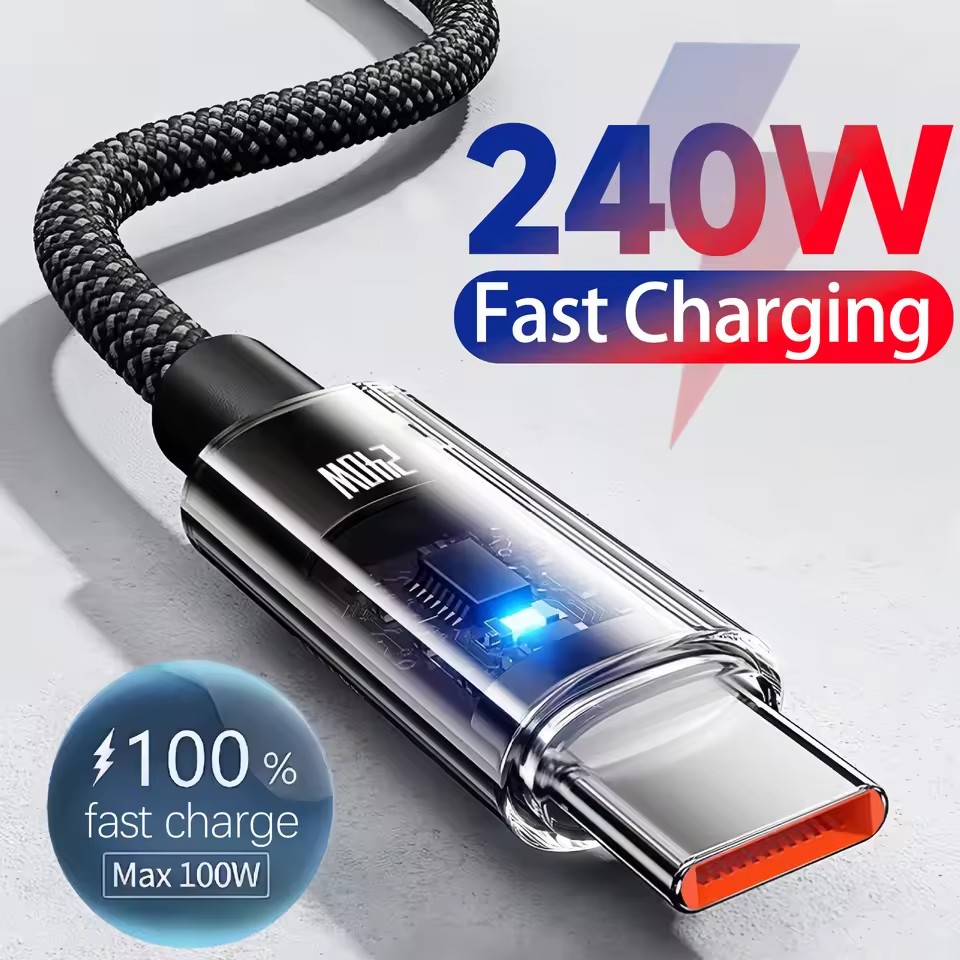
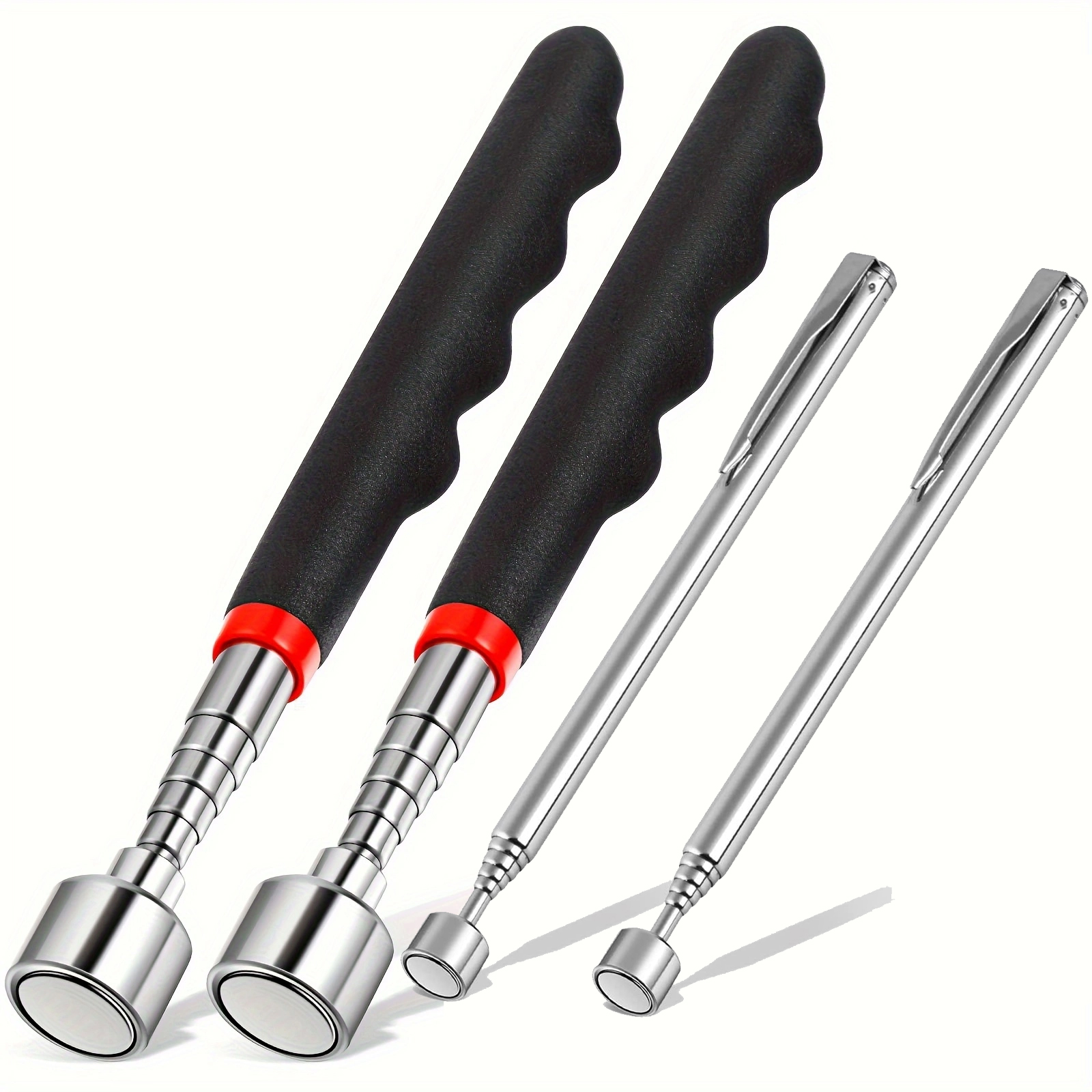
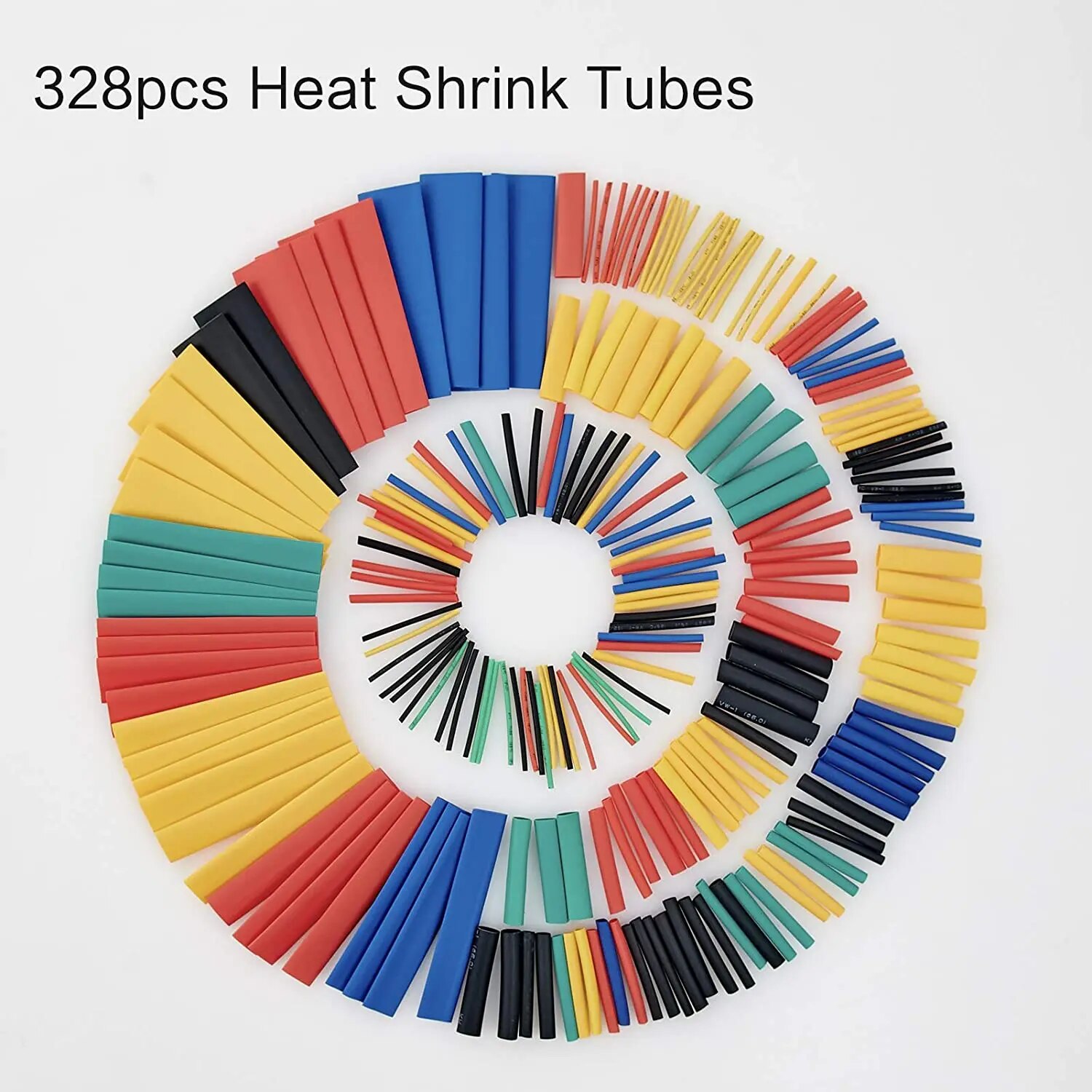
Here is the kind of purchase AliExpress is for. The picks above are best sellers with large order counts, priced around $1 to $2 each: a braided USB-C cable, a foldable phone stand, a pen-style magnetic pickup tool and a heat-shrink tubing assortment. None of these makes sense to order 500 of unless you are starting a store, and none is worth an Alibaba.com negotiation if you just need one. For more ideas, see our guide to the best things to buy on AliExpress, and check AliExpress coupons and deals before you check out. If you are weighing AliExpress against other big marketplaces, our guides to AliExpress vs Amazon and Temu vs AliExpress cover the retail side.
Bottom line
Alibaba and AliExpress are two doors into the same corporate family. AliExpress is the one for shoppers: single items, no minimum, fixed prices. Alibaba.com is the one for buyers with a business plan: bulk quantities, custom products and negotiation. If you are not sure which you need, you almost certainly need AliExpress.